Key Takeaways
-
01
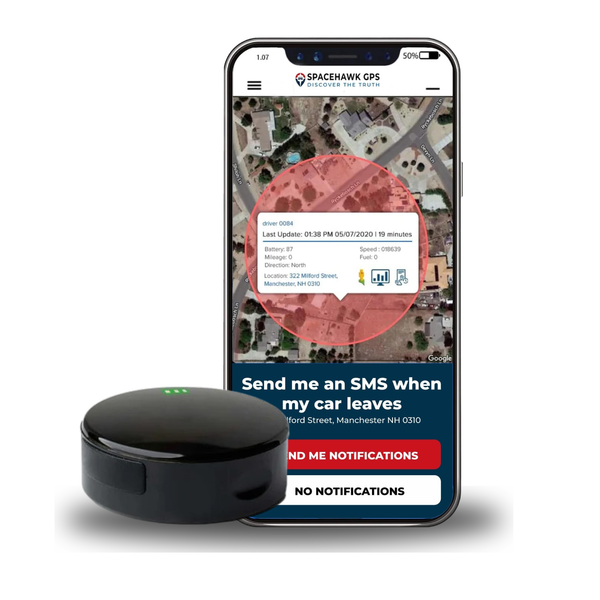
SpaceHawk fits in a child's backpack or jacket pocket and reports live location every 3 seconds.
-
02
GPS and Bluetooth are not the same thing. GPS trackers work over distance on their own; Bluetooth tags like AirTag only update when someone else's phone passes nearby.
-
03
GPS geofencing sends parents instant alerts when a child leaves a school or safe zone.
-
04
SOS panic buttons let a child call for help without a phone, which matters most for kids too young to manage one.
-
05
US parents can legally track their own minor children using devices they own. Tracking anyone else's child is a different matter entirely.
GPS Tracking Children: Best Devices, Key Features & Facts for Parents (2026)
Hey, welcome. If you're researching GPS tracking children, you're probably not browsing out of curiosity. Something practical likely brought you here, and I get that.
I've spent over 15 years working hands-on with GPS tracking in real-world environments. And I've seen parents buy devices that look great online but struggle with weak indoor accuracy, daily charging, or features that don't match how their child actually moves through the day.
This guide exists so you don't waste money or trust on the wrong setup. Below, I'll break down the GPS trackers parents actually use in 2026, the features that make a difference, and when tracking makes sense or doesn't.
I'm here to help you make a calm, informed decision instead of guessing. When you choose the right type of tracker for the right situation, you avoid buying something that ends up in a drawer a week later.
Before the rankings, here's how I tested these devices in real-world conditions.
Side-by-side comparison of top GPS tracking devices for children
Short on time? Here's a quick breakdown of the best GPS trackers for your children, so you can easily pick one that fits your child's routine and keeps them safely tracked throughout the day.
→ Scroll sideways to compare all five devices
| Device | AngelSense | Apple AirTag 2 | TickTalk 5 | Tracki Mini | Jiobit Smart Tag |
|---|---|---|---|---|---|
 |
 |
 |
 |
 |
|
| Best For | Special needs & autism | Crowded venues & travel | School-age kids | Budget & worldwide travel | Special needs, wandering risk |
| Price | Free device with $44.99+/mo plan | $29 single / $99 four-pack | ~$159.99 | ~$28.88 + $9.95+/mo | ~$129.99 + $8.33+/mo |
| Tracking Type | GPS + cellular | Bluetooth / Find My | GPS + cellular | GPS + cellular | GPS + LTE-M |
| Battery | Full day | 1+ year | Up to 137 hr standby | 2-5 days | 5-7 days |
| SOS Button | ✓ Yes | ✗ No | ✓ Yes | ✓ Yes | ✓ Yes |
| Buy Now | Buy on Amazon | Buy on Amazon | Buy on Amazon | Buy on Amazon | Buy on Amazon |
 |
|
||||||||
 Buy on Amazon
 How I Tested These Devices for Kids Tracking
Before recommending anything, we tested these trackers the same way parents actually use them. At SpaceHawk, we don't rely on spec sheets or brand claims. Our team purchases these devices ourselves and runs them through real-world scenarios, with me leading the testing and review process.

That means no demo units and no controlled lab setups. We tested each tracker across everyday situations parents deal with: school routines, crowded public places, short trips, and indoor environments where GPS usually struggles.
I paid close attention to setup time, app usability, location accuracy, update delays, battery drain, and how often the device did what it promised without constant babysitting.
Here's what our testing focused on:
- How quickly the tracker reported location changes in normal use
- What happened to accuracy indoors versus outdoors
- Battery life under real update intervals, not manufacturer claims
- How reliable alerts and geofences were over time
- Whether the device stayed usable after a few weeks, not just day one
Some trackers looked great on paper but fell apart once daily use kicked in. Others surprised us by staying consistent even with fewer features.
What you'll see below reflects that hands-on testing: what worked, what didn't, and where each device makes sense depending on your child and situation. From here, we'll start with the top options and what each one does well in real life.
AngelSense: Top-Rated GPS Tracker for Children (Best for Special Needs)

AngelSense
- Real-Time Tracking: Always locate your loved one indoors & outdoors.
- Proactive Alerts: Get notified when they're in danger or wander off.
- Two-Way Audio: Talk & listen to them for reassurance & guidance.
AngelSense is a GPS tracker designed specifically around child safety, especially for kids who need closer supervision. I've tested similar trackers over the years, and AngelSense clearly focuses less on flashy features and more on keeping parents informed when it's needed.
One feature parents use the most is two-way voice communication. In real situations like crowded events, school pickups, or unfamiliar places, you can talk directly through the device instead of relying on a phone your child may not have or know how to use. I've seen this make a real difference when a child is overwhelmed or unsure where to go.
AngelSense also includes customizable safe zones. You can set places like home or school and receive alerts if your child enters or leaves those areas. Geofencing is about knowing when something changes from the routine you expect.
There's also an SOS button built into the device. If your child needs help, one press sends an alert right away. In testing, this feature worked reliably as long as cellular coverage was available.
2026 Update: AngelSense lists the device at $229, but runs frequent promotions offering it free to first-time buyers who commit to a 12-month plan. Service is $44.99/month on annual prepay, $49.99/month on a 1-year contract, or around $64.99/month billed month-to-month, plus a one-time activation fee of $19 to $59. Every plan includes unlimited data and 60 voice minutes a month.
Overall, AngelSense works best for parents who want clear location updates, reliable alerts, and a simple way to communicate without handing their child a smartphone. AngelSense is built for situations where safety and response time is crucial.
AngelSense works well for parents who want to:
- Find a child quickly if they wander off in crowded or unfamiliar places
- Check your child's location without needing them to carry a phone
- Confirm your pre-teen arrived where they said they would
- Attach the tracker to a stroller or bag to keep tabs during outings or caregiving
- Get alerts when your child leaves a routine location like home or school
- Talk directly through the device when your child needs guidance
- Track movement indoors and outdoors when supervision isn't always possible
| Product | Key Features | Specs | Amazon Rating |
|---|---|---|---|
 |
|
|
As of 5/20/2026★★★★☆4.0 Stars | 1,200+ Ratings |
- Accurate real-time tracking, indoors and outdoors.
- Assistive speakerphone with auto-answer and SOS button.
- Customizable geofences and safe-place settings, plus location playback history.
- The most expensive plan here, starting at $44.99/month plus an activation fee.
- Only 60 voice minutes per month on the base plan.
- Full-day battery means charging every night without fail.
Kori Rutherford
This parent describes the tracker as a genuine source of reassurance when their child with autism is at school or somewhere unfamiliar. They singled out the battery life as excellent and appreciated having several different ways to wear the device.
Danny83
A less positive account, centered on refresh rate. This reviewer found the location only updated promptly in runner mode, which drained the battery quickly, and even then the position lagged behind. They compared it unfavorably to phone and car navigation, which show an exact position, and found the listen-in audio muffled though still partly audible. They planned to switch products.
Apple AirTag 2: Best Bluetooth Tracker For Kids in 2026

Apple AirTag 2 (2026)
- Track Anything: Locate lost items and belongings via the Find My network.
- Easy Setup: Connects instantly with iPhone or iPad.
- Second-gen Ultra Wideband: Precision Finding reaches up to 50% farther.
Apple AirTag isn't a traditional GPS tracker for kids; it's a Bluetooth-based tracking device that works best in busy environments where lots of Apple devices are nearby. I've tested AirTags alongside GPS trackers, and they're useful but only when expectations are set correctly.
2026 Update: Apple released the second-generation AirTag on 26 January 2026. It holds the same $29 single / $99 four-pack pricing, and the new second-generation Ultra Wideband chip extends Precision Finding to roughly 50% farther than before. The speaker is 50% louder, which Apple says makes it audible from about twice the distance. Two catches: the improved Precision Finding needs an iPhone 15 or newer (the iPhone 16e is excluded, since it has no Ultra Wideband chip at all), and the new tag requires iOS 26.2.1 or later. There's a genuine bonus for Apple Watch families, though — Precision Finding now works from a Series 9, Ultra 2 or newer watch, which the original AirTag never supported.
AirTags shine in situations like airports, theme parks, malls, or large events. They don't track continuously on their own. Instead, they update location when they're detected by nearby iPhones through Apple's Find My network. In dense areas, that network can be surprisingly effective given how many active Apple devices are relaying location pings.
Precision Finding is the feature parents notice most. On supported iPhones, Ultra Wideband technology points you toward the AirTag with distance and direction. In testing, this worked well at close range, helpful when a child is nearby but out of sight.
In testing, location updates weren't instant, but once the AirTag was within range of nearby iPhones, the position refreshed consistently without any manual action. Precision Finding only kicked in when I was already close, but at that point it locked on quickly and made it easy to pinpoint the AirTag within a short distance.
One thing to be clear about, because it matters more here than anywhere else in this guide: Apple designs AirTag to track objects, not people. The device ships with anti-stalking protections including cross-platform alerts and Bluetooth identifiers that rotate frequently, and those protections can notify a child's phone that an unknown tag is travelling with them. There's also no SOS button, no two-way calling, and no alert when a child leaves an area. Treat it as a way to find a backpack, not as a child-safety device.
Apple AirTag 2 works well when you want to:
- Locate a child's belongings in crowded, high-traffic places
- Use Apple's Find My app to check location without a monthly subscription
- Pinpoint a nearby AirTag once you're already close
- Track items attached to backpacks, jackets, or bags rather than the child directly
If you're looking for real-time GPS tracking or emergency features, an AirTag will fall short. Used for what it's good at — short-range recovery of a bag in a busy place — it can be a helpful, low-maintenance add-on.
| Product | Key Features | Specs | Amazon Rating |
|---|---|---|---|
 |
|
|
As of 5/20/2026★★★★☆4.8 Stars | 200,000+ Ratings |
- Cheapest option here at $29, with no monthly subscription at all.
- Replaceable CR2032 battery lasts over a year — nothing to recharge.
- Precision Finding now reaches 50% farther and works from an Apple Watch.
- No SOS button, no geofence alerts, no two-way calling.
- Only updates when another Apple device passes nearby, so it's useless in empty areas.
- Anti-stalking alerts may notify your child that a tag is travelling with them.
Todd G
This reviewer took several bags on a twelve-day family trip and valued being able to see where each one was at any point. Watching the luggage appear on his phone was, he said, reassuring throughout the journey.
Kelly
A cautionary account from someone who tried it on a pet rather than an object. They found the detection range far too short to be useful, needing to be almost on top of the animal before it registered, and concluded it was no help for anything roaming beyond about a hundred feet. The tag came back off.
TickTalk 5: Best GPS Watch for Tracking Children (Best for School-Age Kids)

TickTalk 5
- Stay Connected: HD video calls, voice chats, emojis, and GIFs keep families close.
- AI SmartPin Safety: Real-time GPS tracking, SOS button, AI-powered location correction.
- Healthy Habits: Activity tracker, 40+ parental controls, school mode.
TickTalk 5 is the latest GPS smartwatch from TickTalk, designed for kids who are ready for communication, not just location tracking.
2026 Update: TickTalk 5 is now the flagship model, priced around $159.99. It introduces AI-powered SmartPin location correction, an AMOLED display, eSIM support, and up to 137 hours of standby battery. The older TickTalk 4 remains available, typically under $100 on discount, making it a budget alternative if you don't need the newest hardware.
I've tested GPS watches alongside standalone trackers, and TickTalk stands out for families who want calling, messaging, and safety features in one device without handing a child a smartphone. You're not locked into a long-term carrier contract; the TickTalk Wireless plan starts at $9.99/month with no activation fee or cancellation fee, and parental controls are handled directly through the app.
In testing, setup took longer than a basic GPS tracker, but once configured, daily use was straightforward for both parents and kids.
Communication is where TickTalk really earns its place. HD video calls, voice calls, and preset messages worked reliably during testing, as long as cellular or Wi-Fi coverage was available. For kids walking to school or moving between activities, being able to check in without a phone made a noticeable difference.
Safety features are solid, but they come with tradeoffs. GPS location updates were accurate outdoors, less consistent indoors, which is typical for smartwatch trackers. The SOS button triggered alerts as expected, though battery drain increased quickly with frequent calls and GPS updates. This isn't a charge-once-and-forget-it device.
TickTalk 5 also includes cameras, step tracking, and Do Not Disturb modes. These features keep kids engaged, but they also mean parents need to spend time setting boundaries so the watch doesn't become a distraction during school hours.
TickTalk 5 works well for parents who want to:
- Give school-age kids calling and messaging without a smartphone
- Track location during commutes, after-school activities, or short outings
- Control contacts, block unknown numbers, and manage usage through 40+ parental controls
- Combine GPS tracking with a watch kids actually want to wear
TickTalk 5 isn't ideal if you want long battery life or simple, hands-off tracking. It works best for families ready to manage charging, settings, and screen time in exchange for communication and flexibility.
| Product | Key Features | Specs | Amazon Rating |
|---|---|---|---|
 |
|
|
As of 5/20/2026★★★★☆4.0 Stars | 2,000+ Ratings |
- 2-way voice and HD video calling, so kids stay reachable without a phone.
- GPS tracking with AI SmartPin location correction and an SOS button.
- 40+ parental controls including school mode and contact blocking.
- Highest hardware price in this guide at around $159.99.
- 137-hour standby drops fast with calls and frequent GPS, so expect regular charging.
- Every feature depends on AT&T or T-Mobile signal being available.
Chrissy Carter
A parent of a ten-year-old bought the watch to stay in contact and see her location without giving her a phone or internet access. They report it working in both the UK and the US as the family travels between the two, praise the tracking and the app's ease of use, and note their daughter enjoys the camera and customization. They plan to buy one for a younger sibling later.
Danielle Williams
This family had two failures inside a year on a nine-year-old's watch: first a broken band, which had also happened to a sibling's watch, then a failed power button. They also report the app frequently misplacing their child, on one occasion showing him some forty miles away, and would not buy it again.
Tracki Mini: Best Budget GPS Tracker for Kids (Worldwide Coverage)

Tracki Mini
- Unlimited Range: Real-time location with 4G LTE & coverage in 185+ countries.
- Long Battery Life: Up to 5 days, or 60 days with the optional extended battery.
- Tiny & Discreet: At 1.8 inches it fits a backpack, pocket, or jacket lining.
Tracki is a small, low-cost GPS tracking device built for parents who want basic location tracking without spending much upfront. I've tested Tracki alongside higher-priced GPS trackers, and its biggest advantage is coverage. You can track locations globally using 4G LTE with a built-in international SIM.
2026 Update: Tracki's monthly subscription now starts at $9.95/month, with prepaid annual options as low as $3.99/month on longer commitments, and the device itself often sells for under $30. Over 41,000 verified Amazon ratings put it at roughly 4.1 stars as of May 2026.
Where Tracki fits best is travel and backup tracking. During testing, setup was straightforward, and the app showed location history reliably outdoors. Updates weren't instant, but they were consistent enough to follow movement across longer distances. Indoors, accuracy depended more on Wi-Fi and cellular signals, which is typical for compact GPS devices at this price point.
Battery life depends heavily on settings. With frequent updates enabled, the battery lasted a few days. Switching to battery-saver mode stretched runtime significantly, but with slower updates. That tradeoff is important to understand before using it for daily tracking.
The size is another practical win. At just under two inches, Tracki fit easily into kids' backpacks or jacket pockets during testing, and it stayed out of the way. Alerts for geofences and low battery worked as expected, assuming cellular coverage was available.
Tracki works well for parents who want to:
- Track a child during travel or across long distances
- Keep costs low upfront while accepting a monthly subscription
- Use a small, discreet GPS device in a backpack or pocket
- Get basic location history without complex features
Tracki isn't ideal if you want fast, frequent updates all day or hands-off battery performance. But it works best as a budget-friendly GPS option for travel, short-term use, or backup tracking, especially when global coverage matters more than advanced features.
| Product | Key Features | Specs | Amazon Rating |
|---|---|---|---|
 |
|
|
As of 5/20/2026★★★★☆4.1 Stars | 41,000+ Ratings |
- Cheapest hardware here at under $30, with plans from $9.95/month.
- Worldwide coverage across 185+ countries on an included international SIM.
- Small and light at 1.26 oz, so it disappears into a backpack.
- Subscription is mandatory — the device does nothing without one.
- Real-time updates drain the battery fast; saver mode slows reporting right down.
- Falls back to Wi-Fi and cell positioning indoors, which is less precise than GPS.
Katerin Lopez
This buyer couldn't afford the subscription immediately but activated the account a few days after receiving the device. Support called them, offered a month's free trial and a lifetime warranty, and they came away recommending it and thanking the representative by name.
Christopher L
A short complaint about pricing transparency. This buyer assumed the running costs would match Tracki's other model and found them higher, having not seen the figures before purchase.
Jiobit Smart Tag: Best GPS Tracker for Kids With Special Needs
⚠ 2026 Availability Note: As of May 2026, new Jiobit hardware is out of stock through Life360, the parent company since 2021. Existing subscriptions continue to be fully serviced, and Life360 has stated it remains committed to the GPS product category. If you're shopping new, check Amazon listings or wait for restock; the device continues to function as reviewed below for current owners.

Jiobit Smart Tag
- Stay Connected: Real-time location updates every 8-10 seconds on Verizon LTE-M.
- Flexible Options: Subscription plans starting at $8.33/month.
- Simple Setup: No extra SIM card or cellular plan required.
What is the best GPS tracker for special needs children? According to articles by USA Today and The Autism Dad, Jiobit is the best tracking device for kids with autism. But what makes this GPS tracker for kids the best for personal safety? The answer is features.
Jiobit Smart Tag, currently in its Gen 3 generation, is designed specifically for children with special needs, especially kids who are at risk of wandering. I've tested Jiobit alongside general-purpose GPS trackers, and the difference here is focus. This device isn't trying to do everything; it's built around reliability, wearing comfort, and consistent location updates.
Setup is straightforward. There's no extra SIM card to manage, and the app handles cellular connectivity behind the scenes via Verizon's LTE-M network. In testing, location updates were dependable outdoors and reasonably consistent indoors, depending on building density. Battery life held up better than most small GPS trackers at 5-7 days on a charge, making it easier for parents who don't want to charge a device every night.
Geofencing is one of Jiobit's strongest features. Safe zones for places like home, school, or therapy centers triggered alerts reliably during testing. The SOS button worked as expected, though its usefulness depends on the child's ability to press it intentionally. Two-way voice calling adds reassurance, especially for children who respond better to familiar voices.
Jiobit is small, lightweight, and designed to stay attached without bothering the child. During use, it fits easily into backpacks and clothing attachments without drawing attention — an important detail for kids with sensory sensitivities.
One important limitation: because Jiobit uses Verizon's LTE-M network, it does not work internationally. If you travel abroad with your child, Tracki or a similar global-coverage device is a better fit.
Jiobit works well for parents who want to:
- Monitor children with autism or special needs who may wander
- Get reliable safe-zone alerts for home, school, or therapy locations
- Use a tracker that stays comfortable and unobtrusive
- Avoid daily charging and complicated setup
Jiobit isn't meant for casual or short-term tracking or international travel. It works best for U.S. families who need consistent, low-friction monitoring as part of daily routines, not occasional check-ins.
| Product | Key Features | Specs | Amazon Rating |
|---|---|---|---|
 |
|
|
As of 5/20/2026★★★★☆4.0 Stars | 250+ Ratings |
- Updates every 8-10 seconds — the fastest refresh of any tracker in this guide.
- 5-7 day battery, so no nightly charging routine to remember.
- Reliable safe-zone alerts plus two-way voice, with no SIM to manage.
- New hardware is out of stock as of 2026, so availability is the main obstacle.
- Verizon LTE-M only — it will not work outside the U.S.
- Water-resistant but not waterproof, and the SOS depends on the child pressing it.
Daniel S.
This family used it in exactly the situation it's designed for. Their five-year-old with special needs ran from school, and they say the tracking was precise enough to locate her within seconds, so she was only missing very briefly.
Michael Cermak Jr
An owner of three Jiobits who rated them highly until supply became a problem. Their concern is replacement rather than performance: hardware is now difficult to obtain through Life360, though existing devices and subscriptions keep working, leaving them with an expensive setup they can't easily replace if one fails.
Editor's note: As of May 2026, Life360 (Jiobit's parent company since 2021) continues to service existing Jiobit subscriptions but new hardware is out of stock. Life360 has publicly stated commitment to the GPS product category. Devices currently operate through the separate Jiobit app rather than the main Life360 app.
9 Features Parents Should Look for When Buying a Kids GPS Tracker

If you're choosing a GPS tracker for your child, don't get distracted by flashy features. After years of testing trackers in real-world conditions, I've learned that only a handful of things actually work for parents day to day.
Here's what you should focus on first before worrying about brands or price:
- Reliable real-time location tracking
- Consistent accuracy indoors and outdoors
- Geofence or safe zone alerts
- Battery life that fits your routine
- A size your child will actually carry
- Durability for everyday use
- An SOS or panic button
- Two-way communication (when appropriate)
- A subscription plan that makes sense long-term
Those nine features decide whether a tracker becomes a useful safety tool or something that ends up forgotten in a drawer. Below, I'll walk you through each one, what it really means in practice, and how it helps when you're tracking your child in real life.
1. Real-Time Location Tracking

Real-time location tracking means you can see where your child is as they move, not just where they were ten minutes ago.
When tracking works well, you can check locations during school drop-offs, outings, or travel without constantly refreshing the app. In real use, “real-time” almost always involves small delays, but consistent updates still help you respond faster when something changes.
This feature is most useful when a mom or dad needs to keep tabs on kids and routines change unexpectedly.
2. Location Accuracy (Indoors and Outdoors)
Accuracy is where expectations need to be realistic.
Most GPS trackers perform best outdoors, where satellite signals are strong. But indoors — schools, malls, apartments — accuracy often relies on Wi-Fi and cellular data instead. From testing, the best devices clearly show approximate locations rather than pretending to be perfect.
Look for trackers that combine GPS, Wi-Fi, and cellular data instead of relying on GPS alone. That combination usually gives parents the most usable location data across daily environments.
3. Geofencing & Safe Zone Alerts

Geofencing lets you draw virtual boundaries around places your child goes regularly: home, school, or a therapy center. Instead of tracking every movement, this feature is about noticing when something breaks from the routine.
When geofencing works the way it should, you'll get alerts for situations like:
- Your child leaving a safe zone earlier than expected
- Arriving somewhere later than usual
- Crossing a boundary you've set around home or school
- Changes that happen quietly, without you having to check the app
Geofencing or safe-zone alerts are about getting a heads-up when plans shift, so you can check in with confidence instead of guessing.
4. Battery Life That Matches Real Life
A kids GPS tracker only helps if it's powered on. Once the battery dies, location tracking, alerts, and live updates stop working.
In real use, battery life isn't a fixed number. It depends on how often the tracking device updates location, whether real-time GPS tracking is active, and if features like two-way communication or instant alerts are being used.

From testing different GPS tracking devices, longer battery life usually comes from slower update intervals, not from better hardware alone. Before choosing a GPS tracker for kids, it helps to ask:
- Are you okay charging a tracker every night to get frequent location updates?
- Or do you need a mini-GPS tracker that can run several days with less attention?
The right battery life comes down to how you track your child day to day, not what the spec sheet promises.
5. A Size Your Child Will Actually Carry
The best kids GPS tracker is the one your child keeps with them. Size plays a bigger role here than most parents expect.
From testing different GPS tracking devices for kids, smaller and lighter trackers are far more likely to stay in place throughout the day. Bulky devices get taken off, left behind, or moved between bags. Compact trackers slip easily into backpacks, jackets, or clip-on holders without bothering the child or drawing attention.
This is especially important for younger kids or children with sensory sensitivities. If the device feels uncomfortable or obvious, it won't last long in real use. A tracker that stays out of the way is far more reliable than one with extra features your child refuses to carry.
And if your child refuses to carry bulky GPS devices, wearable tracking options can make everyday safety a whole lot easier. I also tested some of the best GPS child tracking jewelry and wearable safety devices for kids, that blend more naturally into daily routines without feeling uncomfortable or obvious.
6. Durability for Everyday Use
Kids drop things. Sit on them. Spill on them. A tracking device for kids has to survive normal life.
From testing different kids GPS trackers, durability means the device keeps working after being tossed into a backpack, knocked around during the day, or exposed to small spills.
What's worth paying attention to:
- A GPS tracking device that handles drops, bumps, and daily movement without losing connection
- Basic water resistance for rain, hand-washing moments, or accidental spills
- Secure wearing options that stay attached to kids' backpacks, clothing, or straps
A tracker doesn't need to be ruggedized like construction equipment. It just needs to hold up to everyday use long enough that you're not replacing it after a few weeks.
7. SOS or Panic Button

An SOS button gives your child a simple way to ask for help without opening an app or making a call. On a kids GPS tracker, this feature works best when the button is easy to press on purpose, alerts are sent instantly to a parent or guardian, and there's clear confirmation that the alert went through.
From testing different GPS tracking devices for kids, the value of an SOS or panic button is how reliably it works when something feels off. Coverage still counts, and it's not a substitute for supervision, but when it's set up correctly, an SOS alert can shorten response time and remove hesitation in stressful moments.
 |
|
||||||||
8. Two-Way Communication
Some kids GPS trackers let you talk directly through the device's two-way communication feature, without relying on a phone. In real use, this feature works best when communication needs to be simple and immediate.
From testing personal safety devices designed for kids, two-way calling is most useful in a few specific moments:
- When a child feels overwhelmed and needs reassurance from a familiar voice
- When quick directions are needed, like during school pickups or outings
- When carrying or using a phone isn't appropriate for the child
But there are tradeoffs. Two-way communication increases battery drain and requires clear boundaries so the tracker doesn't turn into a distraction.
For some families, it's essential. For others, it adds complexity without much benefit. This is one feature where choosing what fits your routine matters more than choosing more features.
9. Subscription Plans & Ongoing Costs
Most GPS devices require a subscription — that's how cellular location tracking works. The plan usually covers live location updates, app access, alerts, and location history. Without it, many GPS tracking devices for kids either stop updating or lose key features.
Before buying, it's worth looking past the device price and checking how the plan works in real life.
Monthly versus yearly pricing, cancellation flexibility, and which features are locked behind higher tiers all affect long-term cost. In 2026, expect monthly plans roughly in these ranges: budget trackers like Tracki start around $9.95/month, mid-tier options like Jiobit run $8.33-$14.99/month, smartwatches like TickTalk are $9.99/month, and premium specialty devices like AngelSense start at $44.99/month annual prepaid. I've seen plenty of cases where a cheaper tracker ends up costing more over time than a higher-priced device with a reasonable plan.

If avoiding recurring fees is important, it's worth comparing options carefully. You can also explore our guide to the best no-monthly-fee GPS trackers to see which alternatives make sense for your situation.
Note: The best kids GPS tracker is the one that fits your child, your routine, and your expectations — not the one with the longest feature list. Once you understand these nine features, it becomes much easier to spot which trackers actually make sense and which ones just look good on paper.
When GPS Tracking Makes Sense, And When It Doesn't
GPS tracking works best when it fills a real safety gap, not when it replaces parenting, trust, or supervision.
From my experience testing trackers in unpredictable, real-world settings, they're most useful when kids are young, prone to wandering, or moving through environments where supervision can break down. Crowded events, school drop-offs, travel days, theme parks, or unfamiliar places are where GPS tracking actually earns its place. In those moments, even a last-known location can shorten response time and help you act faster.
Problems start when tracking turns into constant monitoring. Older kids who don't need it can feel watched instead of protected. Accuracy drops indoors, updates lag to save battery, and leaning too hard on a device can create false confidence if expectations aren't clear.
Used well, GPS tracking adds awareness. Used poorly, it adds noise.

GPS tracking makes sense when:
- Your child is young, has special needs, or a history of wandering
- You're dealing with crowds, travel, or unfamiliar environments
- Direct supervision isn't always possible
- You want backup visibility for specific situations, not all-day monitoring
GPS tracking doesn't make sense when:
- It's used 24/7 without clear boundaries
- It replaces communication instead of supporting it
- You expect perfect accuracy or instant updates everywhere
Parents who get the best results don't track constantly. They use GPS when it's needed, set clear expectations, and turn it off once the situation passes.
GPS vs Bluetooth vs Smartwatch Trackers: What Parents Often Get Wrong
Most parents compare trackers by price or popularity. In real use, the difference comes down to how each technology actually works and where it breaks down.

A. GPS trackers
GPS trackers rely on satellites plus cellular networks. They're built for real-time location over distance, outdoor use, and movement history.
I've tested these in open areas and messy, real-world conditions, and they do their job well when coverage is solid. The tradeoffs show up fast, though: shorter battery life, monthly fees, weaker indoor accuracy, and delayed updates when the device throttles power.
B. Bluetooth trackers
Bluetooth trackers, like AirTags, don't offer true GPS tracking. They update location only when another phone passes nearby. In busy cities, airports, or crowded events, that network can work surprisingly well — especially with the AirTag 2's expanded range introduced in 2026.
Step outside those environments and performance drops off quickly. These trackers are useful for short-range recovery, not continuous safety monitoring. This is the single most common mistake I see parents make.
C. Smartwatch trackers
Smartwatches sit somewhere in the middle. They combine GPS with calling and messaging, which makes sense for school-age kids who need limited independence without a phone. The downside is daily charging, more distractions, and complete reliance on cellular coverage. If the signal drops, so does most of the functionality.
There's no single “best” option. What works depends on the situation:
- GPS trackers tend to fit younger kids, special needs scenarios, and situations where location history actually matters
- Bluetooth trackers can help in dense, high-traffic environments where phones are always nearby
- Smartwatches make sense for older kids who need communication plus some freedom
Parents usually get better results when they choose based on how and where the tracker will be used, not on feature lists or brand names.
 |
|
||||||||
Legal & Privacy Considerations for Tracking Children (U.S.)
In the U.S., parents are generally allowed to track their minor children, but legality alone doesn't make it a free-for-all. Responsibility still applies, especially once tracking moves beyond the home.

From what I've seen over the years, tracking is most appropriate when all of the following are true:
- Your child is under 18, and you're legally responsible for their safety
- The device and account belong to you, not the school or a third party
- The goal is protection in specific situations, not ongoing behavior monitoring
- The tracker is used as a backup tool, not the only safety plan
Things get more complicated once other people or institutions are involved. Some schools restrict active tracking devices during class hours, and caregivers may have their own policies. Audio features deserve extra caution too.
A number of states have strict consent laws around recording, which means two-way listening or background audio should only be used knowingly and appropriately. Note that Apple AirTags have built-in anti-stalking alerts that may notify nearby individuals when an unfamiliar tracker travels with them — another reason transparency matters.
Privacy becomes more important as kids get older. Expectations that work for a six-year-old don't always translate well to a teenager. Explaining why a tracker is used, when it's active, and when it's turned off goes a long way toward preserving trust. Undisclosed tracking, especially with teens, often creates resistance instead of cooperation.
Track Your Own Child — And Only Your Own Child
Everything in this guide assumes one thing: you are the parent or legal guardian of a minor, and the device and account are yours. On that footing, tracking is lawful across the United States.
Placing a tracker on someone else's child, or on any adult without their consent, is a different matter entirely and can be a criminal offence. Several states have dedicated statutes — California Penal Code § 637.7, Texas Penal Code § 16.06, Virginia Code § 18.2-60.5 and Delaware 11 Del. C. § 1335A among them — and Colorado and Connecticut fold non-consensual electronic tracking into their stalking laws. Tracking a co-parent, an ex-partner, or a child you don't have custody of is not a grey area, and a custody dispute doesn't change that.
Audio deserves separate care. Listen-in and two-way audio features fall under state recording-consent laws, and a number of states require all parties to consent. Use them knowingly rather than covertly. For the state-by-state picture, read our guide to GPS tracking laws.
GPS Tracking Children: Why You Can Trust Our Reviews

When it comes to GPS trackers for kids, we know how important it is to trust the advice you're getting, so here's exactly where we stand.
SpaceHawk GPS makes and sells its own tracker, which appears on this page. We do not make or sell AngelSense, Apple AirTag, TickTalk, Tracki or Jiobit, and none of those companies paid us or gave us units to review. What we do earn is an Amazon commission when a reader buys one of them through a link here, which is why the disclosure sits at the top of this page. That commission is the same regardless of which product you choose, so it gives us no reason to rank one above another.
After 15 years working in GPS tracking, our goal is simple: to help parents like you find the best tools to keep your kids safe. Whether you're looking at hidden GPS trackers, smartwatches, or Bluetooth trackers, we want to make sure you get something reliable for your child's safety and your peace of mind.
You'll notice we recommend competitors over our own device in several places on this page. AngelSense and Jiobit are better suited to children with special needs than anything we build, and we say so. Our tracker is a compact real-time unit that suits a backpack, and that's the job we recommend it for.
Final Thoughts: Choosing the Right GPS Tracker for Your Child in 2026
After testing and comparing different GPS tracking devices for kids, one thing becomes clear: there's no single “best” option for every family.
The right choice depends on your child's age, routine, and how you actually plan to use the tracker day to day. Some devices work best for crowded places or short outings. Others, like AngelSense or Jiobit where still available, are built for consistent, low-friction monitoring of children with special needs.
Features like safe zone alerts, reliable location updates, comfortable wearing options, and manageable battery life end up mattering far more than long spec lists.
The biggest mistake parents make is buying a tracker based on promises instead of fit. When the tracker matches your routine, expectations stay realistic, and the device actually gets used.
If you take one thing away from this guide, it's this: choose the kids GPS tracker that supports your child's safety without adding stress to your day. The right tool should feel like a quiet backup, not something you have to constantly manage.
Looking for options built specifically for autism-related needs?
See our in-depth guide to the 5 Best GPS Trackers for Autistic Children, where I break down devices that prioritize comfort, wandering prevention, and reliable safe-zone alerts.
About This Guide
SpaceHawk GPS sells one product: the SpaceHawk tracker, our own device, which appears on this page. Weigh that when you read our recommendation of it.
AngelSense, Apple, TickTalk, Tracki, Jiobit, VIGOROAD and Xplora are other companies' products. Where we link to Amazon we earn a commission at no extra cost to you, and that commission never changes the ranking or what we say about a product.
|
|
||||||||