Key Takeaways
-
01
Telematics combines GPS, a cellular connection and software to collect and report vehicle data.
-
02
Full telematics reads engine diagnostics and driver behavior, while a GPS tracker reports location only.
-
03
Fleet managers use telematics to cut fuel costs, coach drivers and schedule preventative maintenance.
-
04
Usage-based insurance programs price your premium on mileage, braking, acceleration and time of day.
-
05
Many newer cars already share driving data through connected services, so check your privacy settings.
GPS Vehicle Telematics Explained Simply
Telematics is a device in your vehicle that collects data and sends it over a cellular network to software you can read. The device pulls location from a GPS receiver, motion from an accelerometer and, when wired to the OBD-II or CAN bus port, engine data from the vehicle's own computer.
Did somebody just throw the word telematics at you? Maybe an insurance agent pitched a discount, a car dealer rattled it off as a feature, or a vendor dropped it into a quote for your work trucks.
Then the search results bury you in fleet jargon. Ugh, I've seen that deer-in-the-headlights look on plenty of customers.
But don't worry, I've spent 15+ years helping folks just like you with GPS trackers and fleet systems, and the answer is a lot simpler than the sales pitch. You'll know what you need, and what to skip, by the end.
Grab a coffee. I'll walk you through what is telematics, how telematics systems work, what telematics data covers, and which setup fits your car, your crew or your whole fleet.
First up, the meaning of telematics, because everything else in this guide builds on it.

The Simple Starting Point
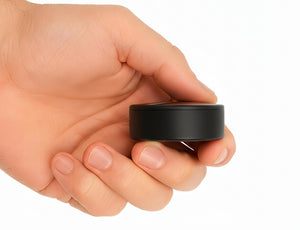
SpaceHawk Vehicle GPS Tracker
Location is the one layer almost every driver and small crew actually uses. SpaceHawk gives you that layer on its own, with no OBD port, no installer and no fleet platform to learn.
Heads up: SpaceHawk is my own product, and I say so out loud in the section where I compare it against full fleet telematics.
What Is Telematics?
Telematics is the technology that combines telecommunications and informatics to collect, send and read data from vehicles and other moving assets. A device installed in the vehicle gathers location, speed and engine data, sends it over a cellular network, and shows it to you as maps, alerts and reports.

The word goes back further than most people guess. Simon Nora and Alain Minc coined "télématique" in a 1978 report they wrote for the French government, blending the French terms for telecommunications and computing. Back then, the idea described computers talking to each other over phone lines. Today, anyone in the automotive industry who says telematics almost always means vehicle telematics, the GPS technology and data link riding inside cars, trucks and equipment.
The way I explain telematics to customers, the box is a tracker with its own cell phone plan and a big mouth. Some units only tell you where the truck sits right now. Others report how hard your driver hit the brakes on Winchester Road and which engine fault code just lit up the dash.
You've probably run into telematics already without calling it that. Most people meet telematics technology in one of four places:
Fleet systems
Work vans and trucks report to fleet management software all day long.
Insurance programs
Your insurer's app or a small plug-in device scores your driving habits.
Connected services
Many newer cars come with telematics built in by the automaker.
Asset trackers
Small GPS units ride along on trailers, generators and construction equipment.
All four run on the same basic recipe, even though they look nothing alike from the outside. The rest of this guide clicks into place once you see how the box gathers and ships that data.
How Telematics Works Over the Cellular Network
Telematics systems work in three steps, which are collect, transmit and analyze. A telematics device installed in the vehicle gathers the data, the cellular network carries it, and telematics software makes sense of it on your phone or computer.

Every system I've worked with follows that same path, whether it's a cheap plug-in box or the factory unit inside a brand-new Silverado.
-
1
Collect
The telematics control unit, or black box, pulls location from its global positioning system (GPS) receiver and senses motion with an accelerometer. Units plugged into the onboard diagnostics (OBD-II) or CAN bus port also read engine data straight from the vehicle's computer.
-
2
Transmit
A built-in SIM card and modem send that GPS data over the cellular network every few seconds or minutes, which makes real time GPS tracking possible. Good devices store every point when the signal drops and resend the whole batch once coverage returns.
-
3
Analyze
Telematics software on a server reads the raw numbers and shows them as a live map, trip history, maintenance alerts and reports. Those screens give you actionable insights instead of a spreadsheet full of coordinates.
Step two is where real life gets messy, and most customers groan the first time a concrete parking structure freezes the dot on their map. Drive back out under open sky, and a good unit fills the trail right back in.
The hardware comes in a few shapes, too. Plug-in vehicle telematics devices ride in the OBD-II port, hardwired units tap power behind the dash, and battery-powered trackers mount almost anywhere with a magnet. Factory systems ship inside the car from day one, and some insurance programs skip the box completely and use the GPS in your smartphone.
Every one of those boxes chases the same three kinds of telematics data, and knowing them tells you which box you need.
What Data a Telematics Device Collects
A telematics device collects vehicle location and speed, driving events like harsh braking, and engine data such as fault codes and fuel consumption. I sort all of it into three buckets of location, driver behavior and vehicle health, because each bucket comes from a different part of the hardware.

The GPS receiver fills the first bucket. The accelerometer and the vehicle's own computer fill the other two, and that split decides which hardware you end up buying.
| Data type | What the device tracks | Where the data comes from | Who uses it most |
|---|---|---|---|
| Location and movement | Vehicle location, speed, heading, route history and stop times | GPS receiver and cellular network | Fleet managers, parents and anyone recovering a stolen vehicle |
| Driver behavior | Harsh braking, rapid acceleration, hard cornering, speeding, idling and seat belt use | Accelerometer and vehicle sensors | Safety managers and insurance companies |
| Vehicle health | Engine diagnostics, fault codes, fuel consumption, battery voltage, odometer and EV charge level | OBD-II or CAN bus port | Maintenance teams and fleet managers |
The catch sits in rows two and three. Driver behavior monitoring and vehicle diagnostics need a device tied into the vehicle's power and computer to read a vehicle's performance. They also need software built to analyze data from thousands of trips and flag the risky behaviors worth a coaching talk. That extra depth costs more every month, and the reports pile up fast when nobody has time to read them.
In my experience, most families and small crews only ever open row one. Each row still pays off in its own way, and the benefits show up fast.
Benefits of Telematics for Drivers and Fleet Operations

The main benefits of telematics are real-time visibility, theft recovery, lower fuel costs, safer driving, fewer breakdowns, insurance savings and easier compliance. These are the ones I see customers lean on most.
Real-time visibility
Every car, van or truck shows up on one live map, and nobody has to call drivers for updates.
Lower fuel costs
Idling, speeding and wasted miles appear right in the reports, letting you cut them before the fuel bill climbs.
Safer driving
Harsh braking and fast cornering get flagged, which gives you real data to coach drivers instead of guessing.
Fewer breakdowns
Engine fault codes and mileage alerts warn you early, long before a van dies on the side of the 15.
Insurance savings
Usage-based insurance programs can lower your premium when the data proves you drive carefully and keep miles low.
Easier compliance
Electronic logging devices record hours of service and mileage automatically, and drivers can finally ditch the paper logbooks.
Not every setup delivers all seven. Engine and safety benefits need full telematics, while a simple GPS tracker covers visibility and theft recovery on its own, and that split is exactly where GPS tracking and full telematics part ways.
GPS Tracking vs Full Fleet Telematics

GPS tracking is the location layer of telematics, and full fleet telematics adds everything under the hood. A GPS tracker reports where a vehicle is and how fast it's moving, while a full system plugs into the vehicle's computer for engine diagnostics and driver behavior.
Most mix-ups over telematics vs GPS tracking disappear once you see the two side by side.
| Compare | Live GPS tracker | Full fleet telematics |
|---|---|---|
| Install and power | Magnet mount on battery, or a 12-volt hardwire in minutes | OBD-II plug-in or hardwired harness, often set up by an installer |
| What you see | Vehicle location, speed, trip history, geofence and movement alerts | All of that plus engine diagnostics, fuel use, driver scores and ELD logs |
| Reads the engine | No | Yes, through the OBD-II or CAN bus port |
| Works on | Any vehicle, trailer or piece of equipment | Vehicles with a diagnostic port or factory data link |
I'll be straight with you about where SpaceHawk fits. SpaceHawk is a live vehicle GPS tracker, not a telematics system. You get location updates from every 3 minutes down to every 3 seconds, accuracy within about 6 feet, geofence, movement and speed alerts, and a full year of trip history. You won't get engine codes or harsh braking reports, because SpaceHawk never plugs into the vehicle's computer.


The SpaceHawk unit in two of the spots customers pick most. Clicked by Ryan.
Watching that dot land right on your own driveway still gets a "wow" out of almost everyone the first time.
Cost works differently, too. Full fleet telematics usually adds a professional install and a higher monthly fee per vehicle, since the system reads far more data. My GPS data plans guide explains what that monthly fee pays for and how to pick a plan without overpaying.
Which side you need depends on the questions you ask every week, and fleet managers ask a lot of them.
 |
|
||||||||||
 Buy on Amazon
How Fleet Managers Use Telematics for Fleet Management
Fleet managers use telematics to cut fuel costs, improve driver safety, keep vehicle maintenance on schedule and stay compliant across the entire fleet. The data replaces guesswork about what your trucks did all day with numbers you can act on.

Each of those numbers ties back to one of four everyday jobs telematics handles in fleet operations.
Fuel Costs and Fuel Efficiency
Fuel is the first place most fleets see a payoff. Fuel management reports in telematics software flag excessive fuel consumption, long idle times and wasted miles, and smarter routing cuts traffic delays, vehicle wear and emissions along the way.
A crew truck idling through a long lunch break in Menifee heat burns fuel for nothing, and the report shows it.
Driver Safety and Coaching
Driver behavior monitoring gives continuous feedback on speeding, harsh braking and rapid acceleration. Driver behavior reporting then ranks driver performance, so coaching stays specific instead of personal. In the same FMCSA study, severe unsafe events fell 60% for sleeper cab drivers.
Drivers tend to clean up fast once they know somebody reads the scorecard.
Maintenance and Fleet Performance
Maintenance is where full telematics earns its monthly fee.
The system pulls engine data automatically, spots vehicle faults and sends maintenance alerts before a small problem strands a truck on the 215. Remote diagnostics and AI help pinpoint which fault needs attention first.
Preventative maintenance set by mileage or engine hours replaces the sticky note on the windshield, keeping maintenance costs down and fleet performance up.
ELD Compliance and Government Fleets
Commercial vehicles under federal hours of service rules use electronic logging devices to record driving time automatically. The same ignition data can feed payroll, which saves hours of matching timesheets by hand. Government fleets use that record for public accountability, and construction crews track equipment utilization to catch machines sitting idle.
How Telematics Insurance Sets Your Premium
Telematics insurance, also called usage-based insurance, uses an app, a plug-in device or your car's built-in system to track how much and how you drive. Insurers use that telematics data to set insurance premiums on real driving habits instead of guesses based on your age or ZIP code.

The National Association of Insurance Commissioners lists the same handful of data points most programs watch.
-
1
Miles driven, since more time on the road means more risk.
-
2
The time of day you usually drive, from rush hour to late night.
-
3
Vehicle location, pulled from the GPS in the device or phone.
-
4
Rapid acceleration away from lights and stop signs.
-
5
Hard braking that hints you're following too close.
-
6
Hard cornering, which shows how fast you take turns.
Pay-how-you-drive programs reward smooth habits on that list, while pay-as-you-drive plans charge mostly by the miles you log.
Southern California drivers hit a snag, though. California's insurance rules let an insurer use a device only to verify miles driven, and that device can't collect or store the vehicle's location. That rule, 10 CCR § 2632.5, is a big reason behavior-scoring discounts are hard to find here. My Murrieta neighbors can still save with verified low-mileage plans, so ask your insurer what it offers in California.
My take is simple, a careful low-mileage driver usually wins with these programs, and somebody on the 15 at midnight every night usually doesn't.
Factory Telematics and Connected Services
Factory telematics is the system your automaker builds into the car, and many newer vehicles use those connected services to send location data and driving behavior back to the manufacturer. Remote start, crash alerts and the app on your phone all run through that same link.

Regulators have noticed. In January 2026, the FTC finalized an order against General Motors and OnStar over allegations that they collected and sold drivers' precise location and driving data without informed consent. The FTC's original complaint said GM collected data as often as every three seconds for some drivers, logging hard braking, late-night driving and speeding. Consumer reporting agencies built reports from that vehicle data, and insurers used them to deny coverage and set rates.
GM now faces a five-year ban on sharing that data with consumer reporting agencies, and needs your express consent before collecting it.
Three quick checks show what your own car shares, whatever brand sits in the driveway.
Open the app
Look for connected services and data-sharing settings in your automaker's app.
Check the screen
Dig through the privacy menu on the infotainment screen and switch off what you don't use.
Request your data
Ask the automaker for a copy of the data it holds and request deletion.
Asking the dealer what's active before you sign helps too.
An owner-installed GPS tracker works the other way around. The tracker reports to your own account, and you decide who sees the map.
How to Choose the Right Telematics Fleet Tracking Setup

Choose the right telematics fleet tracking setup by matching it to the main question you need answered. A live GPS tracker covers location, full fleet telematics covers engine and compliance data, insurance telematics covers discounts, and factory connected services cover convenience.
The four next points below show who each setup fits best:
Live Location and Asset Tracking
A live GPS tracker answers the simplest question, where your vehicle sits right now. Family cars, teen drivers, a few work vans, trailers and equipment all fit here.
Full Fleet Telematics
Go with a full fleet telematics platform when you run DOT-regulated trucks or need ELD logs and engine diagnostics. The bigger monthly bill makes sense once compliance costs real money.
Insurance Telematics
Your insurer's usage-based program fits careful, low-mileage drivers chasing a discount. California drivers should ask about verified-mileage plans, since state rules limit what a device can track.
Factory Connected Services
Connected services already ride along in many newer cars, and perks like crash alerts are worth keeping. Spend ten minutes in the privacy settings so you know what leaves the car.
Most folks I talk to land on that first card, and plenty of fleets end up mixing two setups. A landscaping crew, for example, might run full telematics on its heavier trucks and simple GPS trackers on the trailers and mowers.
Conclusion on Telematics and GPS Tracking
Telematics is a vehicle device that reports location and data over a cellular network, and the right setup depends on how much of that data you'll actually use. Location alone covers most families and small crews, while engine and compliance data belong to bigger fleets.
Don't pay for a fire hose of fleet data when a garden hose of GPS tracking does the job.
After 15+ years around GPS trackers, I still tell most callers to start small. The SpaceHawk Vehicle GPS Tracker gives you live location as fast as every 3 seconds, geofence and speed alerts, and a year of trip history without wiring or an OBD port. Outgrow that someday, and a full fleet telematics platform will still be there.
Take ten minutes this week to check what your own car already shares, too.
Telematics tools will keep adding features, but the three basics from this guide, location, driver behavior and vehicle health, will still point you to the right setup.

Know Where Your Vehicles Are, Right Now
Stop phoning drivers for updates and stop guessing which truck sits closest to the next job. One magnet, about a minute, and the whole crew shows up on a single map with no OBD port and no fleet software to learn.