Key Takeaways
-
01
SpaceHawk combines 3-second live updates, accuracy within about 6 feet, a strong magnet and an IP67 body for investigation work.
-
02
PI-grade GPS trackers need accuracy within about 10 feet and fast updates so timestamped route logs hold up in your case reports.
-
03
Private investigators hide GPS trackers under bumpers, wheel wells and car frames for concealment.
-
04
Long battery life and stored history let investigators run multi-day cases and prove route patterns with timestamped movement evidence.
-
05
GPS tracking is lawful for private investigators only with a legal right to place the device, such as the owner's consent or a court order.
The SpaceHawk GPS Tracker is the best GPS tracker for private investigators in most cases, with live updates as often as every 3 seconds, accuracy within about 6 feet, a strong magnet and an IP67 waterproof body. Before you place any tracker, you need a legal right to do it: written consent from the vehicle's owner (every owner, in some states), a court order, or a client who owns the vehicle and isn't using it to follow another driver without consent.
Tested GPS Trackers for Investigators and Private Eyes
When you're tailing suspects, verifying alibis, or documenting custody violations, guesswork can wreck a case. A GPS tracker for private investigators is that silent partner that logs every move: accurate, legal, and invisible.
After fifteen years testing trackers for PIs and law-enforcement teams, I hand-picked the top five GPS trackers trusted by real investigators that actually perform under pressure. They were judged on covert design, update speed, reliability, and battery life, so you can focus on gathering evidence, not battling tech issues.
In this guide, you'll also learn which features truly matter in the field, legal boundaries, and where investigators hide their trackers to get the best, most discreet results.
Time to get into the tools that make covert surveillance smoother, safer, and more professional.
Affiliate Disclosure: As an Amazon Associate, SpaceHawk GPS earns from qualifying purchases. SpaceHawk is our own brand, and every tracker in this guide, SpaceHawk included, is ranked on its specs and field performance.
Our Top Picks: Best GPS Trackers for Private Investigators
Here's a quick side-by-side look at the five trackers in this guide, with each one's best use, cost, top features and battery life.
| Comparison | SpaceHawkOur Brand | LandAirSea 54 | Tracki Pro | Invoxia Cellular | Americaloc GL300 MXW |
|---|---|---|---|---|---|
| Product |  |
 |
 |
 |
 |
| Best For | Best Overall | Rugged Installs | Long Cases | Discreet Indoor Use | Long Stakeouts |
| Cost | $39.95plus a data plan | ~$30-$37plus a data plan | ~$39-$59plus a data plan | $129with 1 year of service | ~$71-$82with 3 months of service |
| Top Features | 3-sec updates, IP67, strong magnet | IP67, internal magnet, lifetime warranty | 10,000 mAh battery, waterproof, magnet mount | LTE-M, Wi-Fi + Bluetooth, tilt alerts | 5-60 sec intervals, magnetic case, 3-year history |
| Battery Life | 1-3 weeks | 1-3 weeks | 2-7 months | Up to 3 months | Up to about a month |
| Buy Now | Buy on Amazon | Buy on Amazon | Buy on Amazon | Buy on Amazon | Buy on Amazon |
Prices and plans change often, so treat these as typical U.S. prices rather than fixed ones.
How I Tested These GPS Trackers for Investigators
I test every tracker in this guide here in Southern California, where SpaceHawk is based, and I run each one through the same routine a working investigator would care about. Every unit went on a vehicle we own, which is the only way I place a tracker for a test.
-
1
Freeway and City Driving Drives down the I-15 from Murrieta toward San Diego and up toward Los Angeles, plus surface streets in Temecula and Murrieta, stop-and-go traffic and parking garages.
-
2
Update Speed How often the map actually refreshed at freeway speed and in traffic, compared with the interval each plan promises.
-
3
Location Accuracy Where each stop landed on the map compared with where the car actually parked.
-
4
Installation and Mounting How long each install took, and whether the magnet or case held on steel frame rails, bumper supports and wheel wells at freeway speed.
-
5
Concealment Whether a quick walk-around or a look under the car gave the tracker away, including lights and anything hanging loose.
-
6
Battery Life How many days each tracker ran on its normal update setting before it needed a charge.
The field notes under each pick below come from that routine and from the casework scenarios I describe, so you can see how each tracker behaves before you trust it on a job.
#1 SpaceHawk GPS Tracker: Best Overall for Private Investigators

The SpaceHawk GPS Tracker is built for investigators, fleet teams, and anyone who needs reliable, covert tracking that stays silent once it's mounted.
SpaceHawk delivers accuracy within about six feet and location updates as often as every three seconds through its mobile app. Powered by 4G LTE, it maintains reliable coverage in 150+ countries, so you can track from virtually anywhere. The rechargeable battery runs 1 to 3 weeks per charge, or 3 to 6 months in low-power mode, so you can monitor without constant recharging.
With its industrial-strength magnetic mount and waterproof casing, you can hide it on steel bumper supports, inside wheel wells, or on the frame, as a car GPS tracker. Just charge, place, and track from your phone or computer.
Key Features of SpaceHawk GPS

- Updates: As fast as every 3 seconds on the 3-second plan
- Accuracy: Within about 6 feet
- Mount: Ultra-powerful magnet for steel parts, with a fully waterproof IP67 casing
- Battery Life: 1 to 3 weeks per charge, or 3 to 6 months in low-power mode
- Build: Made in the USA using imported and domestic components
- Coverage: Global tracking in 150+ countries via iOS, Android, or desktop
- Plans: From $9.95/mo with a 2-year prepay, or $19.95/mo month to month, cancel anytime
- Support: Free lifetime technical support and a limited lifetime warranty
Benefits and Drawbacks of SpaceHawk GPS
The SpaceHawk GPS Tracker is the go-to choice for investigators who demand stealth, speed, and accuracy every second of a case.
- Precise live tracking: Delivers real-time 4G LTE updates with accuracy within about 6 feet, ideal for surveillance or fleet tracking.
- Real-time speed: Tracks every movement with 3-second live updates, giving you instant visibility of vehicles or assets. That speed can make or break a surveillance job.
- Disappears in plain sight: The mini, waterproof body hides easily on steel bumper supports, inside wheel wells, or even under heavy machinery. Its industrial-strength magnet keeps it locked in tight.
- Global coverage, no contracts: Operates in 150+ countries through a 4G LTE network. Simple month-to-month plans mean zero long-term commitments.
- Smart motion-sleep battery: Extends power life by pausing updates when a vehicle stops, saving you from constant recharges during stakeouts.
- Made in the USA: Built from domestic and imported parts, with free lifetime technical support. Real humans pick up the phone when you call.
- App that just works: The iOS and Android apps make live tracking and historical route playback effortless, no learning curve needed.
The battery lasts 1 to 3 weeks per charge depending on the update rate, so on 3-second updates plan on more frequent recharges. A subscription is required for real-time tracking, but honestly, that's standard for this level of precision.
Pros & Cons of SpaceHawk GPS
- Fastest update speed here (3 seconds), perfect for live surveillance
- Tracks multiple alert types: movement, speeding, low battery, and zone entry
- Compact, silent, and easy to conceal
- Works anywhere: vehicles, fleets, ATVs, or assets
- Includes discreet packaging and free shipping
- Requires a monthly data plan for real-time tracking
- 3-second updates run on the top plan and drain the battery faster
- Magnet needs a steel or iron surface

Every ping, route, and stop updates in real time, giving you clear evidence. Whether you're documenting an authorized infidelity case, tracking a client-owned vehicle across state lines, or building timestamped evidence packages for your report, SpaceHawk delivers the accuracy and reliability professional investigators depend on.
In our recent field test during a 10-day corporate theft investigation, SpaceHawk maintained 99% uptime even through rain, dirt, and rough terrain. The magnetic mount held firm, and the live updates allowed the investigative team to stay two steps ahead without ever needing a physical tail.
Choose SpaceHawk if you want the fastest live updates in this guide with a hidden magnetic install that holds at freeway speed.
#2 LandAirSea 54: Best for Rugged Surveillance Installs

The LandAirSea 54 GPS Tracker is one of the most trusted names in professional tracking, and for good reason. Made in the USA from domestic and imported parts, this compact device combines rugged durability with precise 4G LTE tracking across 155+ countries.
Its magnetic, waterproof shell lets investigators attach it quickly to the steel parts of cars, trucks, or equipment.
Using the SilverCloud™ app, you can view real-time movements, set up geofencing alerts, and replay past routes. Plans start at $19.95/mo with 3-minute updates, and the $49.95/mo plan unlocks updates every 3 seconds.
Key Features of LandAirSea 54
- Build: Heavy-duty IP67 waterproof shell with an internal magnet
- Updates: As fast as every 3 seconds on the $49.95/mo plan
- Battery Life: 1 to 3 weeks per charge, up to 6 months in low-power mode
- Coverage: 155+ countries for vehicles, ATVs, and equipment
- Size and Weight: 2.275" x 0.945", 75 g
- Warranty: Lifetime warranty, built and supported in the USA
Benefits and Drawbacks of LandAirSea 54
The LandAirSea 54 is a rugged, proven tracker for professional investigators who can't risk downtime.
- Built like a tank: The waterproof, impact-resistant shell and internal magnet hold tight through rain, potholes, and rough roads.
- Battery-saving modes: Low-power mode stretches a charge to months when you only need occasional check-ins.
- SilverCloud™ app integration: Lets you view routes, set geofences, and replay historical data on the map.
- Lifetime warranty: Made in the USA and backed by an unconditional warranty that covers normal-use defects, rare in this category.
LandAirSea 54 requires a subscription for full functionality, and its 1 to 3 week battery means charging between long deployments. But its accuracy and durability easily outweigh that minor inconvenience.
Pros & Cons of LandAirSea 54
- Precise tracking with updates as fast as every 3 seconds
- Ultra-compact and discreet magnetic design
- IP67 waterproof shell for outdoor installs
- Easy web and app access for live updates
- Subscription required for real-time tracking
- 3-second updates cost $49.95/mo
- Battery lasts 1 to 3 weeks on regular updates
In our controlled urban field test, the LandAirSea 54 maintained an accuracy margin of under four feet over a 12-mile pursuit, even through heavy traffic and underpasses. That reliability makes it ideal for fleet tracking, surveillance, or evidence collection in high-stakes environments.
Choose the LandAirSea 54 if you want a weatherproof magnetic tracker with a lifetime warranty and don't mind paying the top plan for 3-second updates.
#3 Tracki Pro: Most Versatile Long-Battery GPS Tracker

The Tracki Pro GPS Tracker delivers serious versatility for its price. Private investigators, businesses, and everyday users rely on this go-anywhere, track-anything device. Tracki Pro combines 4G LTE connectivity and multiple satellite systems (GPS, Glonass, BDS, QZSS) to provide real-time updates in over 180 countries.
Its massive 10,000 mAh battery runs 2 to 7 months at 15-minute updates, and up to 12 months in sleep mode, far longer than most compact GPS trackers. The magnet mount makes placing it under vehicles effortless, and the waterproof body needs no extra case.
Key Features of Tracki Pro
- Battery: 10,000 mAh, 2 to 7 months at 15-minute updates, up to 12 months in sleep mode
- Updates: Every 15 seconds to 1 minute, depending on the subscription
- Coverage: 4G LTE in 180+ countries
- Satellites: GPS, Glonass, QZSS, and BDS
- Build: Waterproof out of the box, magnet mount included
- Warranty: Lifetime warranty
Benefits and Drawbacks of Tracki Pro
The Tracki Pro is the "Swiss Army knife" of GPS trackers, built for range, endurance, and flexibility without killing your budget.
- Unreal battery endurance: The 10,000 mAh battery keeps it alive for months depending on your update interval. Perfect for long investigations or fleet monitoring.
- Works almost anywhere: 4G LTE coverage across 180+ countries keeps you connected, whether you're local or international.
- Tracks in tough spots: Tracki says the Pro gives reliable location information even in buildings, which helps around garages and warehouses.
- Built for tough jobs: Waterproof and magnet-mounted, it withstands rain, snow, or dust. Ideal for outdoor and off-road surveillance.
- Smart alerts that adapt: Get instant email, SMS, or in-app notifications for speed, motion, or fence crossings, configurable per case.
Tracki Pro is a bit larger than micro trackers like SpaceHawk, and setup can feel technical for first-timers. You'll also need a monthly plan, but the performance more than pays for it.
Pros & Cons of Tracki Pro
- Exceptional battery life, months per charge
- Waterproof out of the box, no case needed
- Lifetime warranty
- Fastest updates are every 15 seconds, slower than 3-second trackers
- Larger than ultra-compact trackers
- Requires a monthly subscription plan
- Setup interface can feel technical for first-time users
In a six-week test monitoring delivery trucks, Tracki Pro performed flawlessly, logging every stop, route, and idle moment with less than 10-foot deviation. That reliability is what makes it a favorite among pros managing multiple vehicles or field assets.
Choose the Tracki Pro if your case runs for weeks or months and you can live with 15-second updates instead of 3-second ones.
#4 Invoxia Cellular GPS Tracker: Best for Discreet Operations

If stealth is your top priority, the Invoxia GPS Pro Tracker is the one to trust. Designed for asset protection and sensitive investigations, this slim tracker slips easily into a bag, seat pocket, or briefcase, no mounting required.
Using a hybrid system (GPS, Wi-Fi positioning and Bluetooth, sending its position over 4G LTE-M), Invoxia keeps locating even in garages and dense buildings where standard GPS signals drop. The motion and tilt sensors send instant alerts for suspicious movement, helping investigators or owners act before theft escalates.
Key Features of Invoxia Cellular GPS
- Weight: About 1 oz (27 g) for ultra-discreet placement
- Positioning: GPS, Wi-Fi positioning, and Bluetooth, over 4G LTE-M in 40+ countries
- Updates: Every 30 seconds to 32 minutes while moving
- Alerts: Motion, tilt, and anti-theft alerts via mobile app
- Battery Life: Up to 3 months per charge
- Plan: $129 includes 1 year of service, then $59.85/yr
Benefits and Drawbacks of Invoxia Cellular GPS
The Invoxia GPS Pro is the definition of subtle tracking, a feather-light tracker that hides where others can't.
- Slim & silent: Weighs about 1 ounce and slips into seat pockets, bags, or cases, zero mounting required.
- Hybrid precision: Combines GPS with Wi-Fi positioning and Bluetooth to keep tracking indoors or in parking garages where GPS alone struggles.
- Smart theft prevention: Sends motion and tilt alerts instantly if a vehicle, bike, or package is disturbed.
- Long-lasting power: The rechargeable battery runs up to 3 months per charge.
- Ready out of the box: Comes with a 1-year subscription included, so you can start tracking immediately, no setup stress.
There's no magnet mount, so it's best for concealed placement inside a vehicle or bag rather than under-car use. Updates refresh every 30 seconds at the fastest, so it isn't ideal for live tailing, but it's perfect for discreet, long-term monitoring.
Pros & Cons of Invoxia Cellular GPS
- Feather-light and silent, perfect for covert use
- Keeps locating indoors and in low-signal areas
- Quick, intuitive setup via the Invoxia mobile app
- Long battery life compared to most mini trackers
- No magnetic mount or adhesive base included
- Limited live refresh rate (30 seconds at the fastest)
- Not waterproof, so keep it inside a vehicle or bag
- Requires LTE-M coverage for full performance

During a corporate theft case simulation, we hid the Invoxia tracker inside a file bag. Within hours, its Bluetooth proximity pings helped pinpoint the exact room where the evidence was being moved. That level of precision indoors is rare, and invaluable for discreet recovery or tracking tasks.
Choose the Invoxia if you need to follow a client-owned bag, case, or shipment indoors and 30-second updates are fast enough.
#5 Americaloc GL300 MXW: Best for Long Stakeouts

If you're planning a long surveillance operation, the Americaloc GL300 MXW is the tracker that won't quit halfway through. Designed for extended use, this model runs up to about a month per charge, with update intervals you can set from 5 to 60 seconds.
You can track live locations or review past routes through Americaloc's web portal or mobile app, with up to 3 years of location history and alerts for speeding, movement, and geofence breaks.
With 3 months of tracking service included, you'll start off with real savings, and ongoing plans as low as $17.98/month on an annual plan make it a cost-effective tool for professionals who rely on constant uptime.
Key Features of Americaloc GL300 MXW
- Alerts: Motion, speed, and geofence alerts by text, WhatsApp, or email
- Updates: Custom intervals from 5 to 60 seconds
- Mount: Magnetic case included for easy mounting
- Service: 3 months included, then $19.98/mo, or $17.98/mo on an annual plan
- History: Up to 3 years of location history
- Size and Weight: 2.7 x 1.5 x 0.9 in, 2.3 oz
Benefits and Drawbacks of Americaloc GL300 MXW
The Americaloc GL300 MXW is the dependable workhorse investigators reach for when they need consistent, long-term tracking that just works.
- Extended uptime when it counts: With up to about a month of battery life per charge, you can run full stakeouts or cross-state jobs without recharging every few nights. Perfect for investigators who can't babysit their gear.
- Custom update speed: Set intervals from 5 to 60 seconds, so you can trade battery for detail case by case.
- Smart, real-time alerts: You'll get instant notifications for movement, speeding, or zone entry, all customizable through text, WhatsApp, or email.
- Long history: Up to 3 years of stored location history makes it easy to pull route patterns for a report.
GL300 MXW is a little bulkier than ultra-mini trackers like SpaceHawk, and it isn't water resistant on its own, so keep it in a sealed case outside the vehicle. The interface also feels a touch old-school compared to newer apps. But for reliability and uptime, this thing just doesn't quit.
Pros & Cons of Americaloc GL300 MXW
- Excellent battery life for long-term investigations
- 3 months of service included, great value
- Custom update intervals from 5 to 60 seconds
- Up to 3 years of location history
- Slightly bulkier than ultra-mini trackers
- No water resistance rating (best used in a sealed case)
- Interface feels a bit dated compared to newer models
 |
|
||||||||||
 View on Amazon
In a two-week surveillance test, the GL300 MXW maintained signal stability across multiple states and completed the stakeout on a single charge. That's longer than most compact trackers last, which makes it invaluable for employee misuse or long-term asset monitoring cases on company-owned vehicles.
Choose the Americaloc GL300 MXW if battery life and long history matter more to you than the smallest possible body.
Real-Time GPS Trackers vs Passive GPS Loggers
Every tracker in this guide is a real-time tracker: a cellular SIM sends its location to your phone as it moves. A passive GPS logger works differently. The logger records where the vehicle went and stores that history on the device, and you only see the data after you retrieve the unit and download it.
| Feature | Real-Time Tracker | Passive Logger |
|---|---|---|
| How You Get the Data | Live on your phone over a cellular network | Download after you retrieve the device |
| Live Alerts | Yes: movement, speed, geofence | No |
| Monthly Plan | Required | Not needed |
| RF Detection Risk | Shows up on an RF sweep while transmitting | No signal for an RF detector to find |
| Best For | Active Surveillance | Route History Only |
For most casework I use real-time trackers, because live alerts let you react the moment a vehicle moves and you never risk a second trip just to pull the data. A logger only makes sense when you have lawful access to the vehicle twice, once to place it and once to retrieve it, and you only need the route afterward.
Match the Tracker to the Case Type
Different cases put different demands on a tracker. Here's the one I'd reach for first in each situation, always on a vehicle or item your client has the legal right to track.
Live Movement Cases
Pick: SpaceHawk. 3-second updates and geofence alerts let you time arrivals and departures on an authorized vehicle without a physical tail.
Stolen Equipment Recovery
Pick: LandAirSea 54. The IP67 shell and internal magnet hold up on a client's trailers and equipment parked outside.
Long-Running Cases
Pick: Tracki Pro. The 10,000 mAh battery covers months between charges when you can't get back to the vehicle often.
Bags, Cases and Shipments
Pick: Invoxia. At about 1 ounce, the Invoxia hides inside a client-owned bag or case and keeps locating indoors.
Company Vehicle Misuse
Pick: Americaloc GL300 MXW. Weeks of battery and 3 years of history show route patterns on an employer-owned vehicle.
Not Sure It's Lawful?
Pick: none yet. Confirm the legal right first, using the GPS tracking law guide and your state statute, then choose the tracker.
How I Choose the Right GPS Tracker for Investigation Work
After fifteen years testing dozens of GPS tracking devices for private investigators and law enforcement agencies, I've learned that choosing the right GPS tracker is about dependability under pressure, not about fancy marketing. When you're tailing a suspect at midnight or documenting evidence for a court case, your gear can't fail.
These are the six things I look for, and what you should look for too, before trusting a hidden GPS tracker on any job.
1. Accuracy: Because "Close Enough" Can Lose a Case

When I'm building reports for clients or law enforcement, a few feet off can kill credibility fast. I only trust GPS trackers that provide real-time location data accurate within about 10 feet.
That level of reliable tracking keeps your timestamps and routes solid under scrutiny. If a tracker's location insights aren't exact, the data is useless for evidence.
2. Battery Life: Long Cases Need Longer Power
A portable GPS tracker is only as good as its battery. Some investigations run for days without a chance to recharge. That's why I look for devices with sleep mode or motion activation, conserving power when the vehicle or asset stops moving.
Key things I evaluate before adding any GPS tracking device to my toolkit:
- Continuous runtime (10+ days minimum preferred)
- Power-saving sleep mode efficiency
- Real-time location updates vs. battery tradeoff
A tracker that holds charge through stakeouts means fewer gaps, and more usable GPS data when you need it most.
 |
|
||||||||||
3. Update Speed: Every Second Counts in the Field
Ever lost a target because the tracker lagged behind? That happens fast.
For me, the best trackers offer frequent updates, every 3 to 10 seconds. That balance keeps you informed without killing your battery mid-operation. When a suspect takes an unexpected turn, your tracker's real-time updates need to hit your phone instantly.
In surveillance, seconds matter. So I always prioritize devices that provide realtime location with dependable 4G coverage for smooth tracking.
4. Size & Mounting: Concealment Without Compromise

Discretion is everything in investigation work. I prefer compact and lightweight trackers with strong magnets or built-in magnets so I can attach them under a car frame or wheel well without tools.
The best magnetic GPS tracker should:
- Stick firmly to steel under vibration and rain
- Have a waterproof casing to survive tough conditions
- Stay invisible, no blinking lights, no sound
I've tested hidden GPS trackers the size of a key fob and others like the SpaceHawk that blend perfectly with vehicle hardware. Small is good, but in my experience, durability and stealth always win over size.
5. Legal Compliance: Because I Value My License
GPS tracking is powerful, and with that power comes responsibility. In the U.S., you can only secretly track a car, vehicle or asset you own or have direct, lawful consent to monitor. Period.
I stay up to date with state-level GPS tracking laws, so every device I use fits the rules for licensed investigators. Because one wrong placement, even with the most advanced GPS technologies, can turn a good case into a legal nightmare.
We'll dig deeper into this in the legal guidelines section below, so you'll know exactly what's legal, what's not, and how to protect your license while staying effective in the field.
6. Subscription & Support: The Hidden Cost Most People Ignore
A GPS tracker for car or assets might look affordable upfront, but what matters long-term is the subscription model and support behind it. I only recommend brands offering month-to-month flexibility and US based customer support, the kind where an actual human helps you troubleshoot.
I also check:
- Whether the tracker includes a global SIM for realtime GPS access
- How data is handled, especially if location data is stored on secure servers
- If updates stay consistent even across multiple carriers
Because when your GPS device stops providing realtime updates mid-case, you need someone who answers fast, not an automated response.
That's my playbook. Fifteen years, hundreds of cases, and more gear tests than I can count and this formula hasn't failed me once. If a tracking device doesn't meet these standards of accuracy, reliability, and legality, it doesn't make my list. Simple as that.
Where Private Investigators Hide GPS Car Trackers
When it comes to hiding a GPS tracker in a car, private investigators have a few go-to spots. Most PIs won't take the risk of entering your vehicle, but they still have plenty of clever ways to conceal a GPS device from the outside.
With that said, some aggressive investigators might cross that line and hide tracking devices inside your car. From under the bumper to the glove box, these locations offer both accessibility and concealment, making the tracker tough to spot unless you know where to look.
These are a few of the common hiding spots.
Under a Seat or Inside Interior Panels

Another less likely location, but still worth mentioning, is under a seat. Again, most private detectives won't risk entering your car, but if they do, placing a GPS tracker under a seat keeps it well-hidden while still allowing it to function.
This spot is hard to find without a thorough inspection of the vehicle's interior.
Under the Bumper
One of the most common spots for a private investigator to hide a GPS tracker is under the bumper. The steel bumper supports are easy to reach and give magnetic trackers a solid surface. Plus, the spot is hidden from plain sight, so unless you're looking closely, a tracker there is hard to notice.
In the Glove Box
While it's unlikely that most private investigators would enter your vehicle without permission, some aggressive ones might.
Hiding a GPS tracker in the glove box keeps it completely out of view and protected from weather or dirt. Although this is a rare spot, it's still a possibility in more invasive cases.

Inside the Wheel Well
The wheel well offers plenty of cover, making it another prime spot for hiding a tracker. The spot is far enough out of view that most people wouldn't think to check there, and the metal surface makes it ideal for a magnetic GPS device to stay in place, even while driving.
Under the Car Frame
Investigators often attach a GPS tracker to the underside of the car frame. This area is tough to reach and even harder to spot unless the car is lifted or inspected closely. The frame also provides a sturdy metal surface to keep the tracker secure during long drives or rough conditions.
Learn more about where private detectives hide GPS devices in this LinkedIn article.
 |
|
||||||||||
7 Benefits of GPS Trackers for Private Investigators
When you're handling surveillance, every second and every data point matters. The right GPS tracking device is your silent partner in building cases, finding patterns, and staying one step ahead.
This is how the best real-time GPS trackers make investigative work sharper, safer, and smarter.

1. Cheating Spouse Investigations
Do you suspect a husband or wife of infidelity? Infidelity cases require proof, not suspicion.
With written consent from every owner of the vehicle, or a court order, a GPS tracker for cheating spouses logs where the vehicle goes, when, and for how long, without confrontation or guesswork. That creates location insights that pair perfectly with timestamped photos or text logs.
2. Real-Time GPS Tracking: Every Second Counts

When a suspect suddenly changes direction, reliable tracking can make or break your operation.
Modern real-time GPS trackers with 4G coverage provide location updates every 3 to 10 seconds, even in urban environments with signal interference. This realtime location data lets you adapt your moves instantly with no lag, no guesswork, just pure precision.
3. Smarter, and Improved Surveillance
A GPS vehicle tracker allows you to monitor a target's movements without constant physical surveillance. You'll save time and resources, and reduce the risk of detection.
 |
|
||||||||||
4. Historical Data & Analysis: The Pattern Revealer
Beyond live tracking, most GPS technologies store historical location data you can export later.
That data helps you map routes, prove timelines, and highlight repeat patterns like "late-night stops" or "off-route detours." Think of it as a built-in timeline generator, perfect for case reports.
5. Custom Alerts & Geofencing: Smarter Triggers

Some trackers offer customizable alerts and geofencing features, notifying you when a target enters or leaves a specific area or shows unusual movement patterns.
6. Corporate & Asset Investigations
In corporate theft or employee misuse cases, hidden GPS trackers help verify routes, confirm unauthorized stops, or locate missing assets. These tracking devices can attach magnetically to company vehicles or machinery, giving you realtime updates without putting anyone at risk.
Whether you're verifying company property usage or exposing internal fraud, the combination of strong magnets, motion alerts, and GPS data history gives investigators the upper hand.
7. Child Custody & Safety Cases
Are you concerned about a child's safety during visitations?
Few cases carry more weight than child safety. In custody disputes, a client with the legal right to track the vehicle can use a personal tracking device to verify if a child was taken to the agreed-upon locations or exposed to unsafe areas.
A compact and lightweight GPS tracker for cars or backpacks ensures accountability without confrontation.
Legal Guidelines for PIs Using Spouse GPS Trackers
Knowing the legal boundaries is the one thing that separates a professional investigator from an amateur.
GPS tracking can be one of the most effective surveillance tools, but if you use it wrong, it can also end your career overnight. Make sure you are always following GPS tracking laws to stay protected.
The rules that actually bind you live in state law rather than federal privacy law, and two states set the tone for the rest of the country. Both of them name licensed investigators directly.

What Every Private Investigator Should Know
Four rules I give every new PI I mentor:
Consent and Ownership Are Not Optional
They are the foundation of lawful GPS tracking. With proper consent or ownership in place, you have the legal footing to place a tracker on a vehicle. Ownership alone doesn't cover following another driver without their consent.
Never Attach a Tracker Without Clear Authorization
Installing a hidden GPS on someone's property without consent or a court order is trespassing and, in some states, considered stalking.
Put It in Writing
Always include your tracking methods and device use policies in your client contracts. Written terms protect both parties legally and ethically, and in Texas that written consent is the affirmative defense itself.
Know Your State Laws
Tracking rules vary. California and Texas carry stricter privacy statutes than most. Read the statute text yourself and cross-check NALI's legal resources before deploying any GPS tracker in the field.
Staying ethical keeps your license clean, your evidence admissible, and your reputation solid. Those three things matter more than catching one extra lead.
That leaves the practical question: when can a private investigator legally use a GPS tracker, and where does the line between lawful tracking and invasion of privacy start to blur?
Are Private Investigators Allowed to Use GPS Trackers?

Yes, but only under the right conditions. A licensed private investigator can legally use a real-time GPS tracker when there is no malicious intent and they have proper consent or court authorization.
These are the most common cases I have seen in real investigations.
1. Employee and Employer Cases
When the company owns the vehicle, you can legally track it to monitor misuse, route deviation, time theft, or possible fraud. Once that same car is used personally or off work hours, the surveillance becomes illegal.
2. Husband and Wife Investigations
Joint ownership is not a safe harbor. Some states, like Tennessee under Code 39-13-606, require consent from every owner of the vehicle, and stalking and harassment laws still apply between spouses. Get written consent or a court order before placing anything.
Once the couple separates, the same act becomes a violation of privacy rights. If you would not want your own car tracked under those conditions, do not do it for a client.
3. Unmarried Couples
If your client and the person being tracked are not legally tied through marriage or ownership, the gray area turns black fast. Unless the client's name is on the title, tracking the vehicle could breach state privacy laws.
4. Child Custody Investigations
This is one of the most delicate areas in private investigation. If a parent is worried about a child's safety during visits, and they legally co-own the car or have custody rights, a hidden GPS tracker can be used responsibly to ensure safety.
The tracking has to serve a lawful child-protection purpose, not personal curiosity or retaliation.
5. Other Scenarios (The Golden Rule)
If your client legally owns the vehicle and isn't using the tracker to follow another driver without consent, tracking it is generally lawful. That is the legal line. Everything else, no matter how justified it feels, crosses it.
Understanding these nuances is what separates ethical investigators from reckless ones. The best investigators do not just collect location data, they protect their clients, their credibility, and their license.

Never use a GPS tracker to monitor a spouse, partner, or another person without lawful consent or authorization. Suspecting that someone is cheating is not consent, and it is not authorization. Laws governing GPS tracking vary by state and circumstance, and secretly tracking someone's vehicle or movements may violate privacy or surveillance laws.
This guide is for informational purposes and does not provide legal advice. If you are unsure whether a particular use is lawful, speak with a qualified attorney before installing or using a GPS tracker.
If you think someone is tracking you without your consent, the National Domestic Violence Hotline (1-800-799-7233, thehotline.org) and the Stalking Prevention, Awareness, and Resource Center (stalkingawareness.org) can help you plan your next step safely.
Field Workflow for a PI: 6 Steps From Planning to Reporting
A tracker only helps a case when the process around it is clean. This is the workflow I'd follow on every deployment, from the first client call to the final report.
-
1
Confirm the Legal Right Get written consent from the vehicle's owner (every owner, where state law requires it) or a court order, and keep a copy in the case file.
-
2
Plan the Tracker to the Case Match the update speed and battery to how long the job runs, charge the unit fully, activate the plan, and test it in the app first.
-
3
Place and Verify Mount the tracker on a steel surface, confirm the first location fix, and note the date, time, and exact spot you placed it.
-
4
Monitor With Alerts Set geofences around the addresses that matter to the case and let movement alerts tell you when to look, instead of watching the map all day.
-
5
Log and Preserve the Data Export the location history on a set schedule, save each file in its original format, and record who handled the device and the data.
-
6
Retrieve and Report Remove the device when the authorization ends, pull the final export, and write the report pairing the GPS data with your photos and notes.
GPS data is only as strong as the record behind it. For every deployment, keep the device serial number, the written authorization or court order, the install and removal dates and times, the exact placement, and every export with its date. Save the original files untouched and note each person who handled the device or the data. That log is your chain of custody, and it lets an attorney explain exactly where the data came from.
One case comes up often: United States v. Jones (2012). The Supreme Court held that when the government installs a GPS device on a vehicle and uses it to track the vehicle's movements, that is a Fourth Amendment search. Jones governs government agents, not private investigators. Your limits come from state law, like California 637.7, Texas 16.06 and Tennessee 39-13-606.
Final Thoughts: The Truth Always Leaves a Signal
Every good investigator knows one thing: people can lie, but data doesn't. A GPS tracker is more than a tool. Think of it as your quiet witness, logging the truth mile by mile.
Whether you're working an authorized infidelity case, tracing a stolen vehicle or asset, or verifying custody arrangements, the right tracker gives you evidence. But remember, you need precision, patience, and a clear understanding of the law before you ever press "activate."
I've tested trackers that impressed me in the lab but failed the moment it rained. Then I've seen compact, no-flash devices like SpaceHawk outperform everything on the street because they were designed for real-world chaos. That's the difference between marketing promises and investigative reliability.
If you treat GPS tracking as a shortcut, you'll burn cases. But if you treat it as an extension of your investigative process, accurate, ethical, and evidence-driven, GPS tracking will make you unstoppable. So before your next assignment, ask yourself:
"Am I just tracking, or am I actually proving something?"
Because at the end of the day, real investigators don't just follow signals, they follow the truth that those signals reveal.
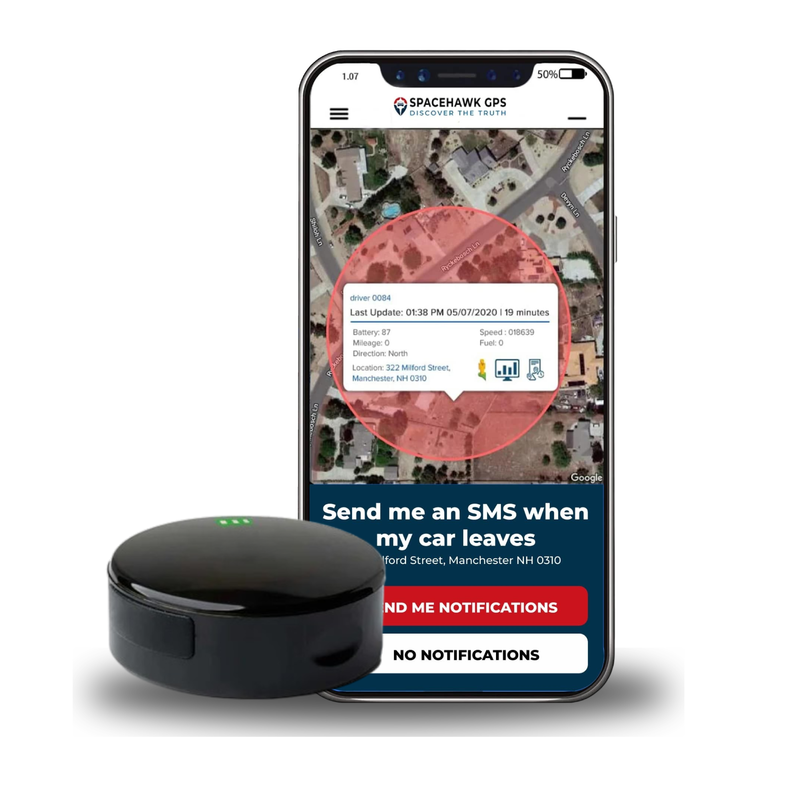
The Right Tracker Builds Cases
After fifteen years of testing gear in the field, SpaceHawk is the device I reach for when the pressure is on. Magnetic, waterproof, silent, and accurate to within about six feet. Place it in seconds, track in real time, and present the evidence with confidence.
★★★★★4.5 / 5 · 150,000+ happy customers
- Real-Time GPS & 4G LTE
- Updates as Fast as 3 Sec
- ~6 Feet Accuracy
- IP67 Waterproof
- Hidden Magnetic Mount
- US Based Support