Key Takeaways
-
01
GPS vehicle trackers deliver the most reliable real-time location data for car tracking.
-
02
Magnetic GPS trackers mount in minutes on a car you own or share with consent, with no wiring.
-
03
Tracking a spouse's car is legal only with his consent or a clear legal right to that vehicle. Joint ownership alone is not a safe harbor in every state.
-
04
Bluetooth trackers are unreliable for vehicle tracking and trigger anti-stalking alerts on nearby phones.
-
05
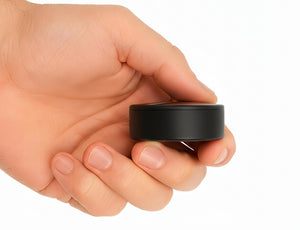
SpaceHawk hidden GPS tracker delivers updates as fast as every 3 seconds for real-time vehicle location.
You can legally track your husband's car only with his consent, or when your state's law gives you a clear right to track that specific vehicle. Secretly tracking a car that belongs to him can be a crime in states like California and Texas, and joint ownership is not a safe harbor everywhere. The legal routes that work: agree on a shared GPS tracker or phone location sharing, hire a licensed private investigator, or talk to a family attorney.
Tracking Your Husband's Car Without Him Knowing
If you're searching for "how to track my husband car without him knowing", something in your gut is probably tugging at you. Maybe his schedule shifted suddenly. Maybe those late-night "work errands" don't line up. Or maybe you just want to keep your family safe and stop guessing where the car is.
And let me be clear, you're not wrong for wanting answers. I've talked to people over the years, and most of them weren't trying to spy, attack, or "catch" anyone. They were simply tired of confusion and wanted facts they could trust.
In this guide, I'll walk you through the legal ways to track a vehicle, the tools that work, and how to protect yourself while getting the facts you deserve.
So before we jump into trackers, tools, or legal rules, let's slow things down and talk through this together: calmly, clearly, and smartly.
Ready for clear answers? Let's start with what's legal, what works, and what can backfire.
Affiliate Disclosure: As an Amazon Associate, SpaceHawk GPS earns from qualifying purchases. SpaceHawk, Konnect GPS and Fleet1st are our own brands, and every tracker in this guide, ours included, is ranked on its specs and field performance.
 |
|
||||||||
 Buy on Amazon
Why You Might Want to Track Your Husband's Car
When someone reaches out to me asking about tracking a spouse's car, the request usually comes from a mix of emotion, concern, and plain confusion, not from a desire to spy.
Here are the most common reasons I hear, and you might see yourself in one of them.
1. You're Worried About His Safety
Maybe he drives late at night, works long distances, or recently had a health scare. Small changes, like delayed replies or unusual routes, can make anyone anxious. Shared real-time tracking can help you know he's safe without having to call or text constantly.
2. Something Just Feels "Off"

This is the reason I hear more than any other, and it usually starts with small things. His schedule shifts in ways that don't make sense. The car's mileage doesn't match where he said he was. A "quick errand" turns into a detour you can't explain.
These little inconsistencies add up, and suddenly you're stuck between trusting your instincts and not wanting to jump to conclusions. You're trying to get just the facts to match the story. And when they don't, wanting clarity is natural.
3. You're Going Through Relationship Stress
Sometimes the relationship itself feels heavier than usual, and those changes can push you to look for answers. You might be noticing things like:
- Trust issues that make everyday conversations feel uncertain.
- Emotional distance that leaves you feeling disconnected.
- Financial secrecy or unusual spending patterns.
- A rough patch that doesn't seem to be improving.
When these shifts start stacking up, wanting more clarity about what's happening is normal, so you can understand the situation better and decide what comes next.
4. A Divorce or Custody Dispute Is Brewing
I've talked to many people who came to me right as a divorce or custody issue was starting, and they were surprised by how much vehicle tracking can impact a case.
Depending on how you do it, the data can help or it can create serious legal problems. If you feel things are moving in that direction, you need to know how tracking fits into the legal process and how courts view it. I'll break all of that down later so you can move forward safely and confidently.

5. You're Protecting Shared Property
If the car is jointly owned or part of your community property, maybe you're not dealing with relationship drama at all. You just want to know the vehicle you helped pay for isn't out living its best life without you. Plenty of people track a shared car for practical reasons like this, and honestly, that makes sense.
Even then, joint ownership doesn't automatically make secret tracking legal. Some states, like Tennessee, require consent from every owner, and stalking laws still apply between spouses. Talk it through with him first, and agree on how the tracker will be used.
Before You Track Anything: What You Actually Need

Now let's get practical for a moment. Before you track a car, legally or technically, there are a few essentials you should understand. These basics will help you choose the right device, avoid legal trouble, and keep your expectations realistic.
-
1
Physical Access to the Vehicle Trackers can attach under the car, plug into the OBD-II port, or sit inside the cabin. If you can't reach the vehicle even briefly, your tracking options are limited.
-
2
The Type of Vehicle You're Working With A 2008 Honda Civic has plenty of open spaces, while a 2023 Mercedes has shields and tight compartments. The car's design decides where a tracker can realistically fit.
-
3
A Clear Reason for Tracking Your intention shapes your choices and legal risk. Ask yourself whether you're doing this for safety, clarity, or because of a larger situation like custody concerns.
-
4
A Basic Understanding of Consent Rules Legality depends on whether you have the right to track that specific car. Ownership and consent matter far more than most people expect.
-
5
Realistic Expectations About How Trackers Work Trackers vary: some update in real time, some every minute, and battery life differs widely. Choosing the wrong device leads to unreliable data.
By keeping these basics in mind before you start, you'll save yourself a lot of confusion later and set yourself up to make smarter, safer decisions throughout the entire process.
How to Track Your Husband's Car: Legal Methods Only
Alright, now let's talk about the part most people come here for, the actual ways you can track a vehicle.
I'm going to walk you through every method that applies specifically to cars, one by one, and I'll explain each in a way that keeps you safely within the law. No shortcuts and no risky loopholes, just the options that work and won't land you in trouble.
Let's begin with the approach I recommend most often, simply because it offers the best mix of accuracy, reliability, and real-world results.
GPS tracking laws vary by state and situation. Tracking a vehicle without the owner's consent may be illegal and could result in criminal charges, civil penalties, or evidence being ruled inadmissible in court.
This guide covers legal tracking methods only. If you're unsure about your legal rights, consult a licensed attorney before taking any action.
This content is for educational purposes only and does not constitute legal advice.
Method 1: GPS Vehicle Trackers (My Most Recommended Option)
This is the method almost everyone asks me about, and honestly, for good reason. GPS car trackers are accurate, affordable, and way more advanced than people realize. If you want reliable, real-time information about a vehicle's location, this is usually the best place to start.
How Do GPS Trackers Work?
A GPS car tracker uses satellites to pinpoint the vehicle's location, sends that data to a secure server, and then delivers it to an app on your phone. In that app, you'll see things like live location, speed, recent routes, parking spots, and geofence alerts if the car enters or leaves certain areas.
GPS tracking is a straightforward system, but incredibly powerful when you need clear, consistent information about where a vehicle actually is and where it's been.
Which Type of Tracker Fits Your Car?

Once you're clear on what you need, choosing the right tracker becomes a lot easier. Each type works best for a different situation, so here's how I explain it when someone asks me what to use:
1. Magnetic Real-Time Tracker
This is the one I recommend most. You can place a vehicle GPS tracker under a car you own or in a side compartment, and you get reliable, real-time updates. If you want something discreet and easy to place without touching the car's electronics, this is your best option.
2. OBD-II Plug-In Tracker
If you want a simple "plug it in and forget it" setup, this is the way to go. An OBD GPS plugs into the port under the dashboard and stays powered by the car, which means no charging headaches. Great for long-term tracking with zero maintenance.
3. Hardwired Tracker
This is a more permanent option. A wired GPS is installed behind panels and connects to the car's power, so the install stays neat and out of the way. I usually recommend this only if you have full access to the car and want something built in for the long run.
Each option has its own strengths, and the right choice depends on how long you plan to track the vehicle and how much access you have. But between you and me, I personally lean toward magnetic trackers most of the time. They're simple, discreet, and they don't interfere with the car's electronics.
Need placement ideas for your own car? See the Best Spots to Hide a GPS Tracker in a Car →
Now that we've covered GPS vehicle trackers, the option I recommend most, let's look at the other tools people ask me about. Some can help in specific situations, and others? Well, let's just say they sound better in theory than they actually perform in the real world. Let me break them down for you so you don't waste money or run into surprises.
Method 2: Bluetooth Trackers (Limited, But People Always Ask)
A lot of people ask me if they can just drop an AirTag, Tile, or SmartTag in the car and track it.
And I get it, these devices are cheap, simple, and everywhere. But here's the truth you need to hear from someone who tests these things for a living: Bluetooth trackers are not built for reliable car tracking. Here's why:
They Only Work When Another Phone Passes By
These devices piggyback off nearby phones, not satellites. So if the car goes somewhere quiet or rural, the tracker might not update for hours.
Modern Phones Give Anti-Stalking Alerts
Apple and Android alert people when an unknown Bluetooth tracker travels with them. That safety feature exists for a reason, and a hidden tag won't stay private for long.
The Range Is Extremely Limited
Bluetooth was designed for keys, bags, and small items, not moving vehicles.
If your goal is to find something inside the house, a small area, or a short trip around town, they might be useful. But for any real vehicle tracking? You'll be frustrated fast.
Use Bluetooth trackers for luggage or keys, not for a car. You'll get much better results with a real GPS device.
Method 3: Hiring a Licensed PI (The Safest Legal Route)
Sometimes the smartest move is hiring a professional instead of using a device at all. I've talked to a lot of people who eventually decide to bring in a private investigator, especially when things get complicated legally or emotionally.

Here's What a PI Brings That You Don't
Before you assume a PI is "too much," understand what they're actually trained to do. Here's what they bring to the table:
- Follow the vehicle legally: They know the boundaries and how to avoid crossing lines that could lead to trouble.
- Document movements with detailed reports: Their evidence holds up far better in court.
- Use professional surveillance methods: They're trained and licensed, and they still have to follow the same state tracking laws you do.
- Keep you out of legal risk: You're not the one tracking, following, or documenting. They are.
When I Recommend Hiring a PI
In certain situations, bringing in a professional isn't just helpful, but the smartest and safest move you can make. I usually suggest hiring a private investigator when:
- You're dealing with a custody dispute
- You need evidence that will actually be admissible in court
- There are financial concerns or hidden spending patterns
- Tracking on your own could create conflict or put you at risk
- You want to make sure everything stays within legal boundaries
My real-world perspective: hiring a PI isn't exactly a bargain-bin move, but when the truth needs to hold up in court, they're often worth every dollar. In messy situations like divorce, custody issues, or financial disputes, a good PI can save you far more stress than they cost.
Think of them as the "professional adults" of tracking: they stay within the law, they get the facts, and they keep your hands clean.
Other Ways to Track a Car: Phone, AirTag, Apps and GPS
A hidden GPS tracker isn't the only way to see where a car is. Phone location sharing, Bluetooth tags, plug-in trackers like Bouncie, and the apps that come with many newer cars can all show a location, but each one has real limits. Here's how they compare on cost, accuracy and range.
| Option | Phone Location SharingFind My, Find Hub, Life360 | Apple AirTag | BouncieOBD-II plug-in | Car-Maker AppsOnStar, FordPass | Hidden GPS TrackerLike SpaceHawk |
|---|---|---|---|---|---|
| How It Works | His phone shares its location with yours | Bluetooth tag found by nearby Apple devices | Plugs into the OBD-II port, reports over 4G LTE | The car's built-in modem reports to the brand's app | GPS plus 4G LTE, reports live to an app |
| Cost | Free | $29one time | ~$67-$90plus about $8-$10/mo | VariesOnStar Remote Access from $14.99/mo | $39.95plus plans from $9.95/mo |
| Accuracy | Phone GPS, usually within a few meters | Precise only when an Apple device is near | GPS, updates about every 15 sec while driving | Vehicle locate, varies by brand and plan | About 6 ft, updates as fast as 3 sec |
| Range | Anywhere the phone has data | Only where Apple devices pass by | Anywhere with cell coverage | Anywhere with cell coverage | Cell coverage in 150+ countries |
| Consent | Built in: he turns sharing on | Phones alert him to an unknown tag | Visible in the OBD port, agree on it first | Shared through the car's account | Required unless you have a clear legal right |
| Best Legal Use | Couples Who Agree | Keys and Luggage | Family and Teen Cars | Newer GM or Ford Cars | Your Own or Shared Car |
Prices and plans change often, so treat these as typical U.S. prices. If you both agree to share locations, phone sharing or the car's own app is the simplest and cheapest place to start. A dedicated GPS tracker makes sense when you want faster updates, history and alerts on a car you have the right to track.
How to Choose a GPS Tracker for a Car You Share
Every tracker looks similar on a product page. These four specs are what actually separate a tracker you'll love from one you'll return.
Battery Life
Battery trackers run anywhere from a few days to several weeks per charge, and faster updates drain them sooner. OBD-II and hardwired trackers run on the car's power, so you never charge them.
Update Speed
Updates range from every few seconds to every few minutes, usually set by your plan. For live tracking on the road, look for 30 seconds or faster. For checking where the car parked, one minute is plenty.
Size and Mount
Smaller trackers fit more spots, but a strong magnet and a waterproof (IP67) case matter more under a car. Check the weight and dimensions before you buy if you have a tight spot in mind.
Install Type
Magnetic trackers move between cars in seconds. OBD-II trackers plug in under the dash. Hardwired trackers are the most permanent and usually need a professional for the wiring.
Also check the monthly plan. Almost every real-time tracker needs one, and the plan usually decides your update speed and how much route history you keep.
Best GPS Trackers for Shared Family Cars (Hands-On Tested)
The best GPS tracker for a car you share depends on what works best for you, whether that's real-time updates, battery life, magnetic mounting, coverage, or monthly cost. The GPS trackers below are the models I recommend after hands-on testing, and each one performs well for different tracking needs.
I've tested more GPS trackers than I can count, from premium models to budget options that simply don't deliver consistent results. The recommendations below are the trackers I'd trust for real-world use because they're accurate, reliable, and easy to use.
The comparison table below highlights each GPS tracker's best use, type, update speed and battery, making the right one for your situation easier to spot.
| Comparison | SpaceHawk | Konnect OBD2 | Fleet1st Hardwired | Family1st | Tracki Universal |
|---|---|---|---|---|---|
| Product |  |
 |
 |
 |
 |
| Best For | Discreet Magnetic Install | Long-Term No-Charge | Permanent Install | Simple Portable Use | Ultra-Compact |
| Type | Magnetic | OBD2 plug-in | Hardwired | Portable | Portable |
| Update Speed | As fast as 3 sec | As fast as 3 sec | As fast as 30 sec | 5-60 sec, by plan | 1 min, 5 sec on demand |
| Battery | 1-3 weeks | Powered by car | Powered by car, backup battery | Up to 14 days | 5-7 days, up to 45 in saver mode |
| Where to Buy | Buy on Amazon | Buy on Amazon | Buy on Website | Buy on Amazon | Buy on Amazon |
Battery life depends on the update setting, and update speed depends on the plan you choose.
Why SpaceHawk Leads on Specs
When you want to track a car you own, or one you share with his consent, you need a discreet and reliable tracker. If you're weighing a hidden install, read our guide on how to track a car discreetly and legally first.
SpaceHawk is a magnetic vehicle GPS tracker with live tracking as fast as every 3 seconds, accuracy within about 6 feet, and an IP67 waterproof body. Plans start at $9.95/mo with a 2-year prepay, or $19.95/mo month to month, so you get fast, dependable location data without hiring anyone.

- Real-time location updates as fast as every 3 seconds
- 100% waterproof GPS locator with a powerful magnet
- Geofencing, speed alerts, motion detection and route history
- Lifetime warranty and US based support

Real customer experience
How to Track Your Husband's Car With Consent: Step by Step
Let me be completely upfront: this is the only scenario where I can walk you through the installation process step by step.
When your husband gives consent, tracking becomes simple, legal, and stress-free. No secrecy, no risk, just a straightforward setup meant to keep both of you informed and safe. Here's exactly how to do it.
1. Install the Tracker Openly
You know which GPS tracker fits your situation and you've chosen one from the list above. Now install it together.
Installing a GPS tracker is usually easier than people expect; half the challenge is just choosing the right spot. Here's how each type is typically installed:
A. Magnetic GPS Tracker: Mount it under the car chassis, behind a metal frame rail, tucked in a wheel well, under the passenger seat, or even in the glove box. Magnetic trackers are basically the "place it anywhere" option.

B. OBD-II Plug-In Tracker: Plug it into the OBD-II port under the dashboard, or use a short OBD extension cable if you want it tucked out of sight. OBD tracking is really the "plug it in and go" setup.
C. Hardwired GPS Tracker: Install it behind interior panels, near the fuse box, or under the dashboard where the wiring is accessible. This option stays out of sight and looks like part of the car's factory setup, but you need a professional for the wiring.
If you need more help with wiring, you can check our full guide on How to Install a Hardwired GPS Tracker on a Car.
Each spot works differently depending on your car's design, but these placements are the ones I trust after years of testing trackers in everything from minivans to Mercedes. Remember, this should be about clarity, safety, and mutual trust, not hiding anything.
2. Set Up the Tracking App
Once the device is installed, the app setup is usually the fastest part. Most modern GPS tracking devices pair with your phone in under three minutes. Together, you'll:
- Download the tracking app to your phones.
- Scan the barcode or enter the device ID to connect the tracker.
- Choose the update frequency that fits what you want to monitor.
- Enable alerts like speeding, arrivals, or geofence notifications.

I always suggest enabling shared app access, so you're both seeing the same information in real time. Mutual access keeps everything transparent and avoids misunderstandings later.
3. Establish Boundaries (Seriously Important)
Before you start using the tracker day to day, take a moment to talk through a few expectations. This doesn't need to be a heavy conversation, just a simple check-in to make sure both of you are on the same page.
Things to clarify:
- When is it appropriate to check the tracker?
- Which alerts do you actually want to receive?
- What level of monitoring is comfortable for both of you?
In my experience, couples who communicate these points upfront avoid most of the frustrations people run into with tracking devices.
4. Review the Data Together When Needed

Tracking doesn't have to be something you check every minute. The data is there to help you during real-life moments:
- Maybe he's running late and you want to make sure he's okay, or there's an emergency and you need to know where the car is right now.
- Tracking data is also helpful when a teen or another family member borrows the vehicle.
- Or when travel plans change unexpectedly and you just want a quick update.
Use the data when it's helpful, but don't obsess over it. Let the tracker support your peace of mind, not replace trust in your relationship.
Want peace of mind without a GPS tracker at all? Here are some smart, legal alternatives.
If You Suspect Cheating: Smart, Legal Alternatives to Tracking
Look, I understand why you might be here. When something doesn't add up, the mind fills in the blanks, often with the worst possible story.
But before you consider tracking the car without consent (which can be illegal), here are safer, legal ways to gather information. These methods won't get you in trouble, and they often reveal more than a GPS tracker ever would.
1. Car-Based Clues That Don't Break Any Laws
If you're not ready to use a tracking device or you're worried about the legal side, a car can still give you plenty of completely legal clues. Vehicles leave a trail, and sometimes that trail is clearer than anything a GPS tracker provides:
Mileage That Doesn't Match
If he says he was at work all day but the odometer shows an extra 40 miles, something isn't adding up.
Gas Charges in Odd Places
A tank filled at a gas station nowhere near his normal route is worth noticing.
Toll Road Activity
Shared E-ZPass or toll tag records can quietly reveal where the car has actually been.
Maintenance and Tire Wear
Sudden jumps in mileage or unusual tire wear often mean the car is seeing more action than you were told.
These clues aren't invasive. They're simply observations that help you understand what's happening without crossing any legal lines.

2. Evidence You Can Legally Collect
If you're trying to understand what's really going on, there are a few types of information you are allowed to review, especially when they come from shared accounts or publicly available sources.
These won't give you real-time tracking, but they can reveal patterns you might've missed.
- Receipts from shared accounts: Restaurant slips, gas station charges, car wash receipts. Little things like these often tell a bigger story about where the car has been.
- Phone records on a shared plan: Call logs and timestamps can show unusual communication patterns, but keep in mind that accessing his personal phone without permission can be illegal.
- Public social media activity: Check-ins, tags, public posts, and location trails can sometimes reveal more than he realizes he's sharing.
Used together, these pieces of information can give you a clearer picture without doing anything risky or invasive.
3. When to Involve a Lawyer
There's a point where things move beyond simple curiosity and into "I need to protect myself" territory. If you're dealing with infidelity concerns, custody issues, hidden spending, or community property questions, bring in a family attorney.
These situations can get messy fast, and a lawyer can guide you before you accidentally step into legal trouble.

A lawyer can request the records you can't get on your own, like phone logs, bank records, location data from service providers, and even PI reports, through the legal discovery process. Basically, they can get answers without you risking a legal misstep.
You've seen the tools, the methods, and the alternatives, but none of that matters if using them could put you on the wrong side of the law. So now let's tackle the most important question in this entire guide, the one that decides what you can do, what you can't, and what could genuinely get you into trouble.
Is It Legal to Track My Husband's Car?
Sometimes yes, sometimes absolutely not. Tracking your husband's car is legal only with his consent, or when your state's law gives you a clear right to track that specific vehicle. Ownership alone isn't always enough, and stalking and harassment laws still apply between spouses.
Honestly, this is the most serious part of the entire guide, and also the one most people try to skip. I know when emotions are high, acting fast and thinking later is easy.
And legal stuff isn't as exciting as tracking devices and real-time maps. But I've seen too many people lose custody leverage, get hit with stalking complaints, or damage their entire case because they didn't know the rules.

If you want the full breakdown of U.S. tracking laws, you can also read our guide "Is GPS Tracking Legal in the U.S.? GPS Tracking Law".
For now, here's the clear, simple version.
Tracking With Consent
The safest and most straightforward scenario is when your husband gives you permission to track the car. If he agrees, you're on solid legal ground. Clear, informed consent is the strongest footing you can have, and it removes the stress about whether you're crossing a line. Get it in writing, or at least in a text, so there's no question later.
Tracking Based on Ownership
This is the part that confuses most people, because ownership and privacy don't always line up the way you'd expect. Whether you can legally track the vehicle depends on whose name is on the title, who drives it, and how your state handles privacy rights.
Here's the plain version:
- If the car is in your husband's name only: You generally cannot track it without his consent. In California and Texas, secretly placing a tracker on a vehicle that belongs to someone else can be a misdemeanor.
- If the car is jointly owned: Joint ownership is not a safe harbor. Tennessee requires consent from every owner of the vehicle, and stalking and harassment laws still apply between spouses in every state.
- If you're in a community property state (like California or Texas): Community property rules decide how property is divided in a divorce. They don't give you permission to track your spouse's movements, and courts treat privacy separately from ownership.
- If the car is titled to you alone: Laws like California's let the registered owner consent to a tracker, but using your car to follow him while he drives it can still raise stalking or harassment issues.
GPS laws don't always follow common sense, which is why many people get tripped up here. Other states have their own rules, so if you want a deeper, state-specific breakdown, the legal guide linked above covers the details. This is general information, not legal advice.

What Happens If You Track Illegally?
Installing a GPS tracker without the legal right to do so can spiral quickly. You could face criminal charges, civil lawsuits, and restraining orders, and any location data could be ruled inadmissible in court.
Worse, illegal tracking can hurt your case in custody disputes or property division hearings.
I've seen people wreck otherwise strong legal positions because they placed a tracker out of frustration or fear. Please don't take that risk. If you're unsure, talk to an attorney first.
Never use a GPS tracker to monitor a spouse or partner without lawful consent or a clear legal right to the vehicle. Suspecting that someone is cheating is not consent. This guide is general information, not legal advice. If you're unsure whether a use is lawful, speak with a qualified attorney first.
If you feel unsafe in your relationship, or you think someone is tracking you without your consent, the National Domestic Violence Hotline (1-800-799-7233, thehotline.org) and the Stalking Prevention, Awareness, and Resource Center (stalkingawareness.org) can help you plan your next step safely.
Expert Opinions on Handling a Cheating Spouse
When you suspect a cheating husband, slowing down and leaning on expert guidance matters more than any gadget. Here's what four experts say about handling it:
Galena Rhoades, PhD, University of Denver
Rhoades, a research professor of psychology who directs the Institute for Relationship Science, told the American Psychological Association that checking behaviors, like looking at a partner's phone or tracking their location, can bring short-term reassurance after an affair but should stay brief. In her words, "Nobody wants that long-term in a relationship." (APA, Speaking of Psychology)
Ondina N. Hatvany, Bay Area Therapist
Hatvany, a therapist in Mill Valley, California, writes that rebuilding trust after an affair depends on talking about it openly, full honesty about any contact with the third party, and the unfaithful partner's empathy for the hurt caused, which she calls the best predictor of whether a relationship survives. (Healing from an affair)
The Gottman Institute
Dr. John Gottman's Trust Revival Method moves couples through three phases: Atone, Attune and Attach. Recovery starts with the partner who strayed taking full responsibility without excuses or defensiveness, and couples often work through the phases with a trained therapist. (Gottman Institute)
Thomas G. Martin, Private Investigator
Martin, a former federal DEA agent who runs Martin Investigative Services in Newport Beach, California, and wrote Seeing Life through Private Eyes, encourages collecting all relevant information before making any decisions. He cautions against acting impulsively and recommends seeking legal advice if necessary. (Martin Investigative Services)
Want a full breakdown of the top devices people use in these situations? Check out my guide on the Best GPS Tracker for a Cheating Spouse.
Final Thoughts (A Message From Me to You)
Listen, I know this isn't an easy topic. When something feels wrong, your mind runs in circles. You want answers, clarity, and a little peace so you can finally breathe again. And honestly, you deserve that.
But you also deserve to stay safe, smart, and completely on the right side of the law while you sort things out.
If you're feeling overwhelmed, reach out to someone you trust: a lawyer, a counselor, or even a close friend. You don't have to figure all of this out alone, and you definitely don't need to make risky moves just to get the truth.
My hope is that this guide gave you a clearer understanding of your options and helped you feel a bit more grounded. And if you ever need help choosing the right tracking device or understanding how GPS tech actually works in the real world, I'm here.
Also, don't hesitate to reach out to relationship experts or counselors if you find yourselves in a rough patch. Their expertise can help you both work through your issues, with strategies to strengthen your bond. Prioritize your relationship's health and work together to create a connection that stands the test of time.
This article is for educational purposes only. I am not an attorney, and this content is not legal advice. GPS tracking laws vary by state and situation. Always consult with a licensed attorney before tracking any vehicle.
Know Where Your Car Is, in Real Time
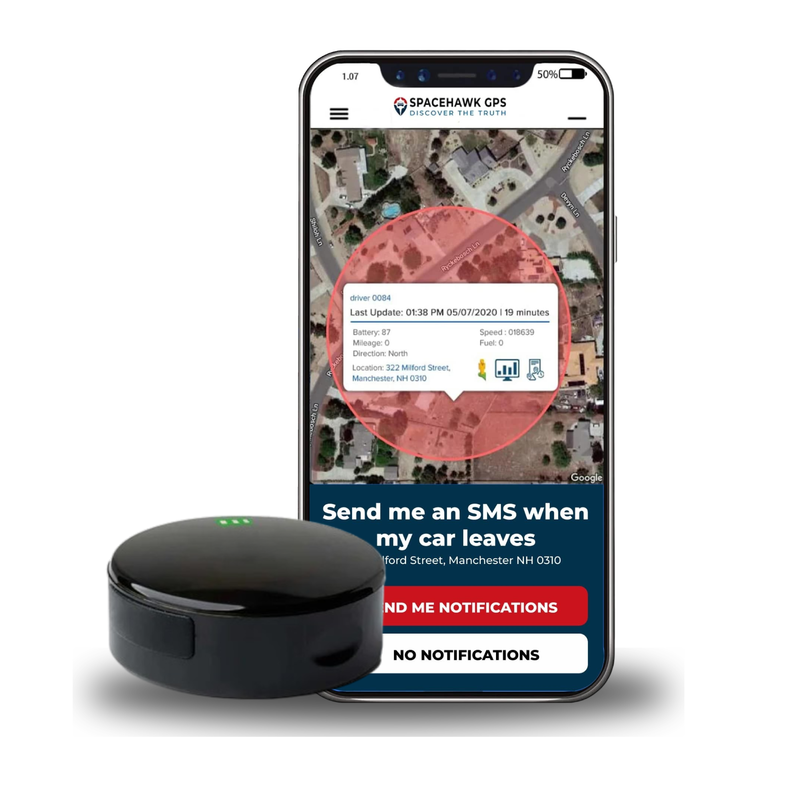
You've read the guide, and you know your options. For a car you own, or one you share with his consent, SpaceHawk gives you real-time location updates as often as every 3 seconds. Simple, reliable, and easy to set up together.
★★★★★4.6 / 5 · 100,000+ happy customers
- Updates as Fast as 3 Sec
- Real-Time GPS & 4G LTE
- Free Shipping
- Discreet Packaging
- US Based Support
- Lifetime Warranty